Volunteering
I've been regularly doing conservation volunteering for a few years. Here's a blog of what I've done, with the most recent stuff at the top. The general stuff is on this page, while Volunteer Officer specific stuff is on that page.

Coppicing all around town
What I've done since last updating this blog, save for the VO stuff:
- Coppiced in freezing cold weather back at the dear Hardwick Wood <3
- Got involved with the local hazel coppice that Friends of Highfield Country Park manage.
- Coppiced willow for the first time, at a local primary school, with Jane Doyle, who runs the Forest School there. Really fantastic stuff - hundreds of willow stools and a dome in the playground!
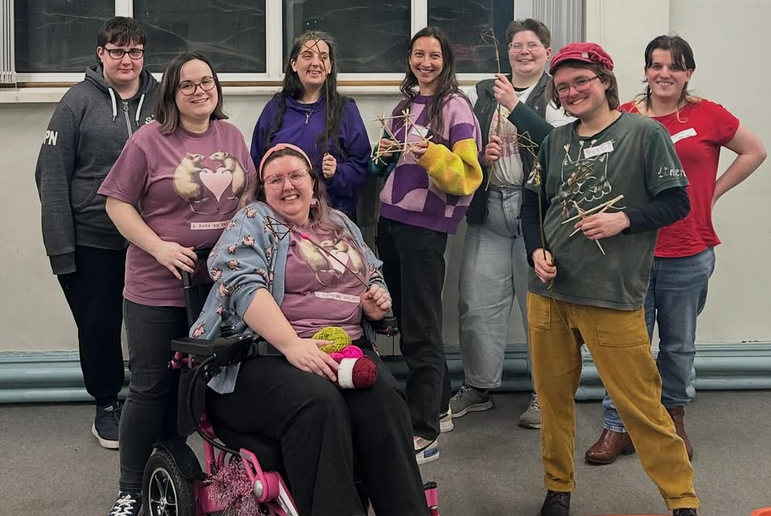
- Shown people how to make willow stars with aforementioned willow, at Levy Queer Club (pictured above) at our skillshare ⚝
I'm a Volunteer Officer!
Super exciting news: I'm now a Volunteer Officer at TCV Manchester. This means that I'm going to be doing regular volunteering at a more 'advanced' (for want of a better word) level. I'll learn how to lead sessions, and do the office-work side of things as well. So far, I've helped out on two corporate volunteering sessions - a meadow management day and a grassland sowing day. Both of them involved scarifying the ground. I may make a whole page on my site for the things I learn as a VO, as it's a bit different to my regular volunteering. Edit: I have done so!
A busy week in Scotland
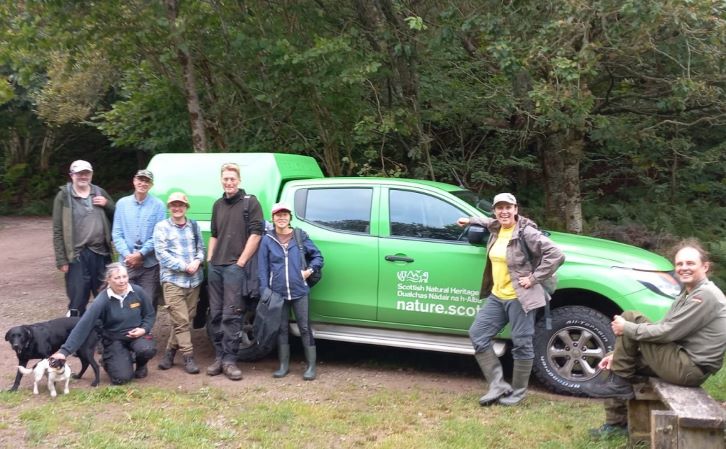
CCV does a yearly trip to Argyll in Scotland, and it was SO much fun going there and volunteering for NatureScot at Taynish and Moine Mhòr National Nature Reserves. We used mini-mattocks to pulled up trees and invasive rhodondendron from Moine Mhòr to prevent them sucking up all the water from the bog.
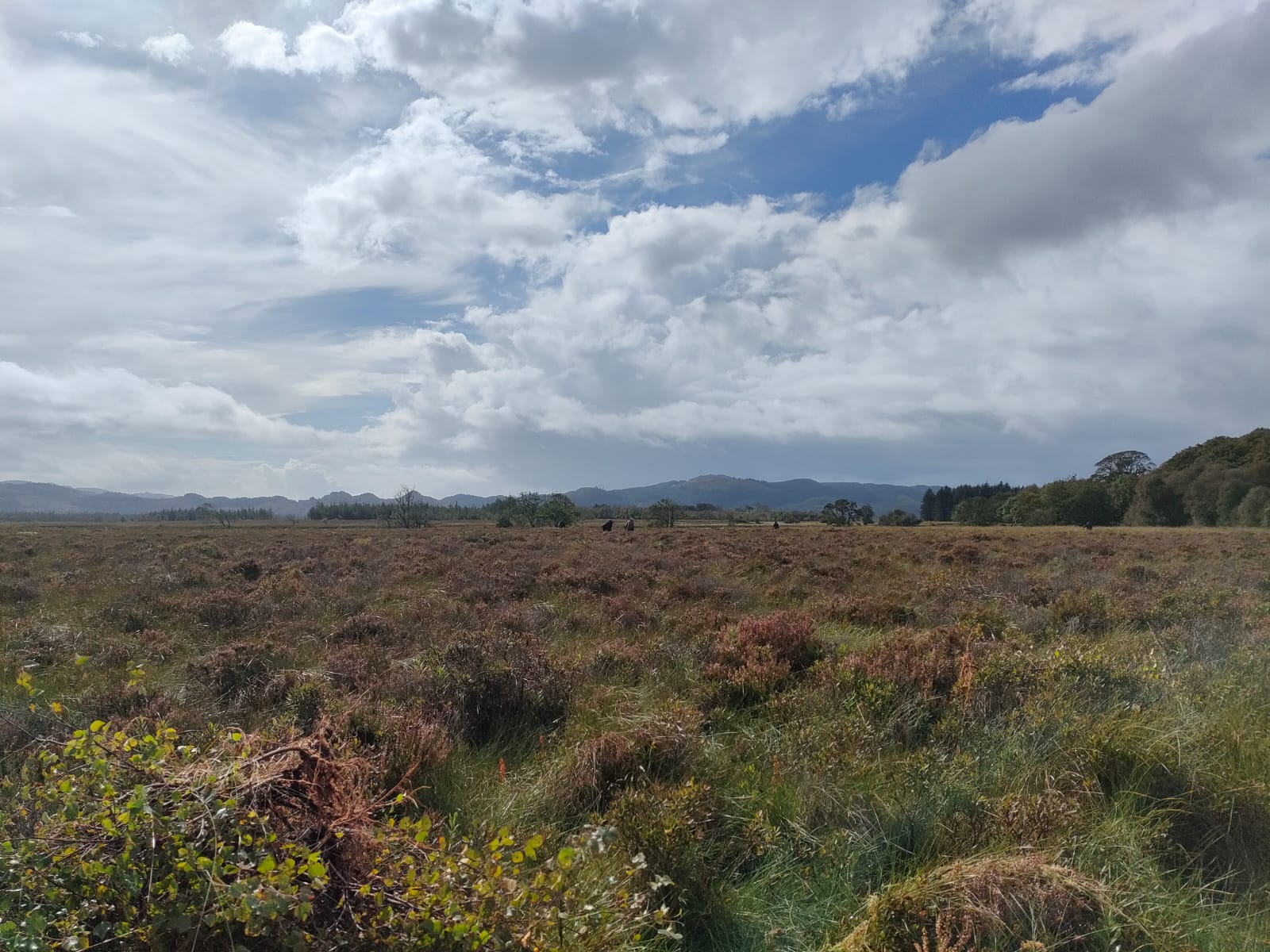
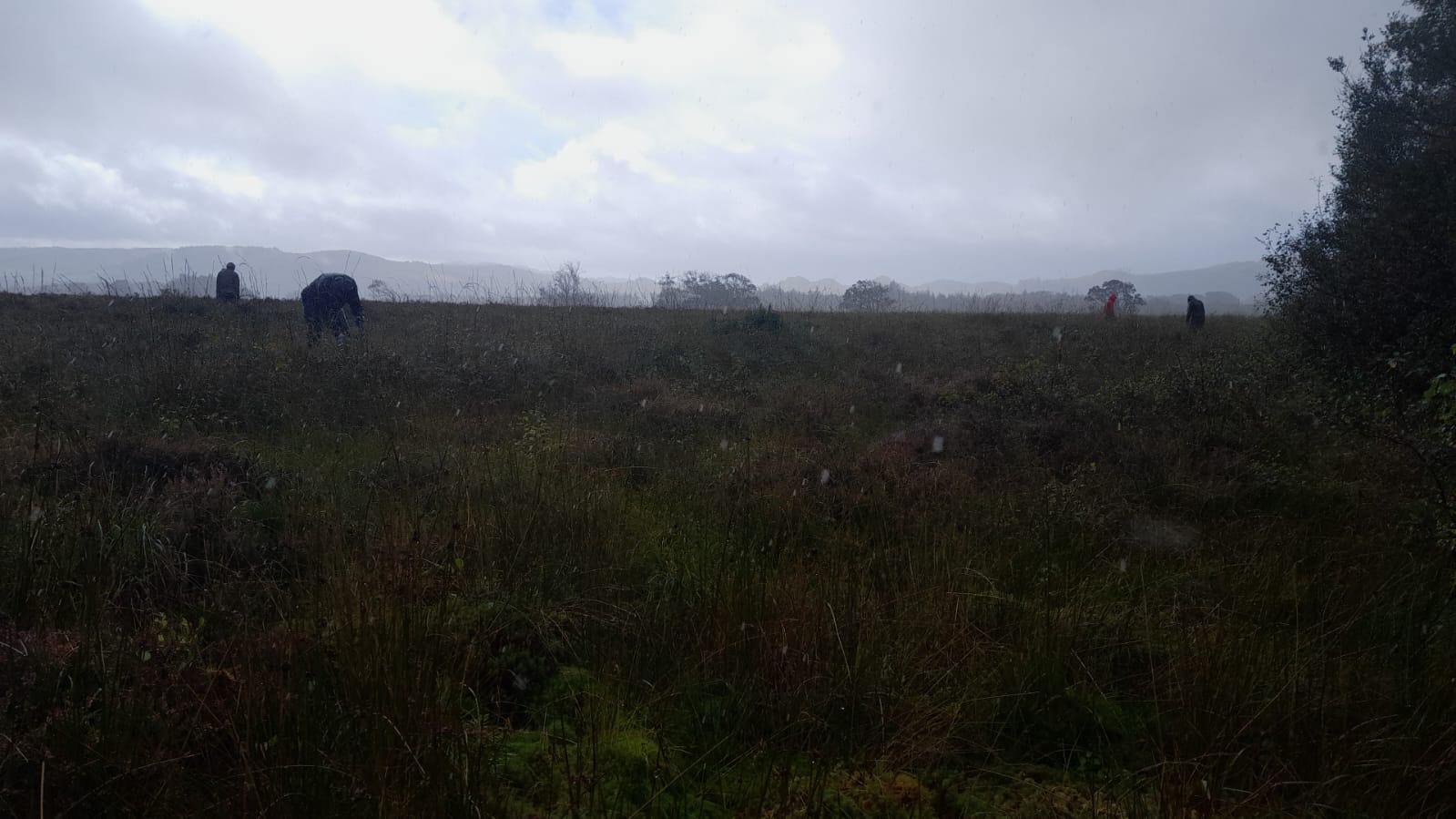
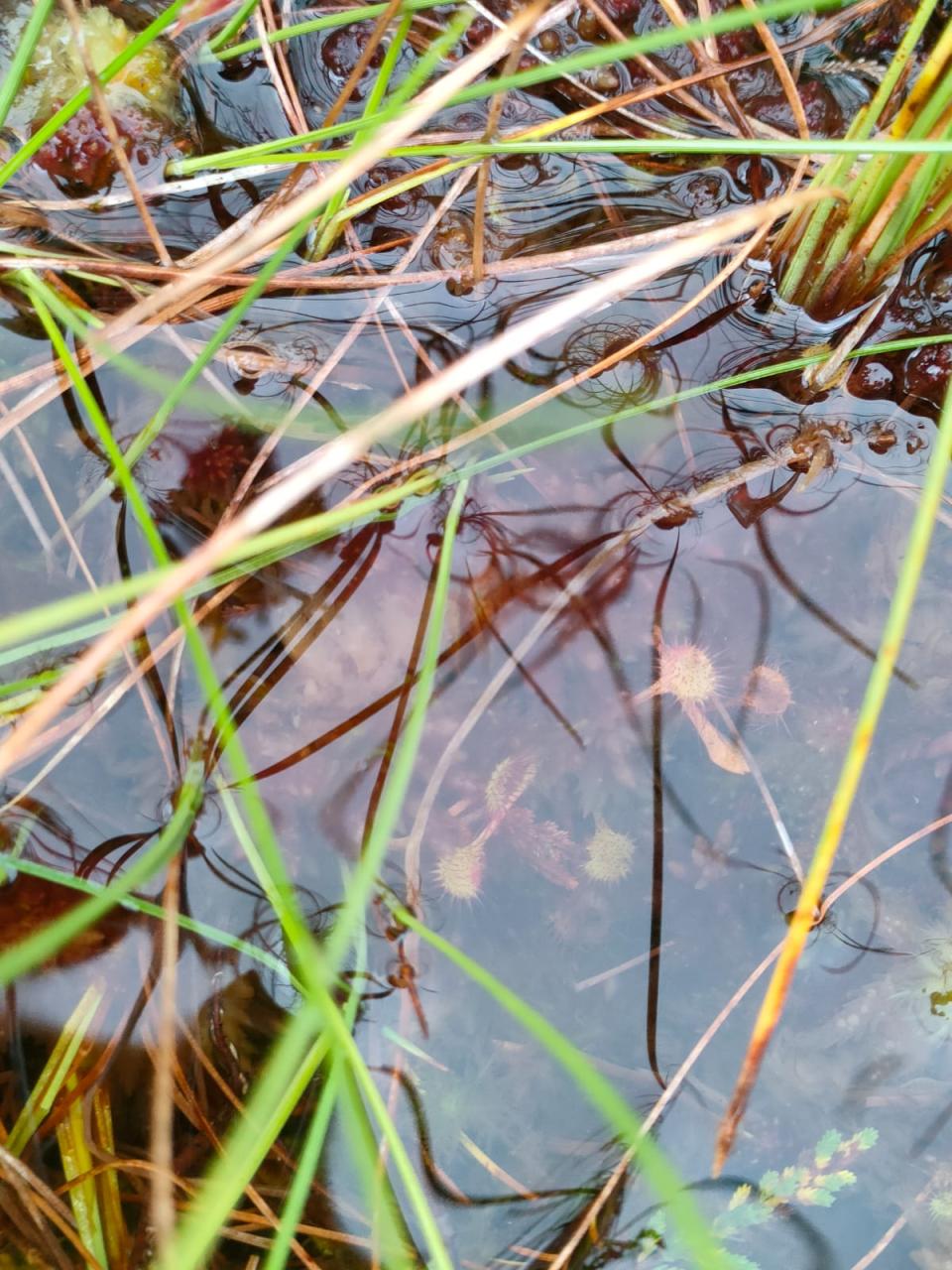
I also tried leaning my face into the water to take a sip of the bog water. This was surpisingly delicious - sweet and clean and clear, and not peaty at all! Spotted some round leaved sundew while doing this.
We also cut back gorse and alder to open up grassland for the endangered marsh fritillary butterfly, and cut back willows along a ditch to improve the habitat for dragonflies.
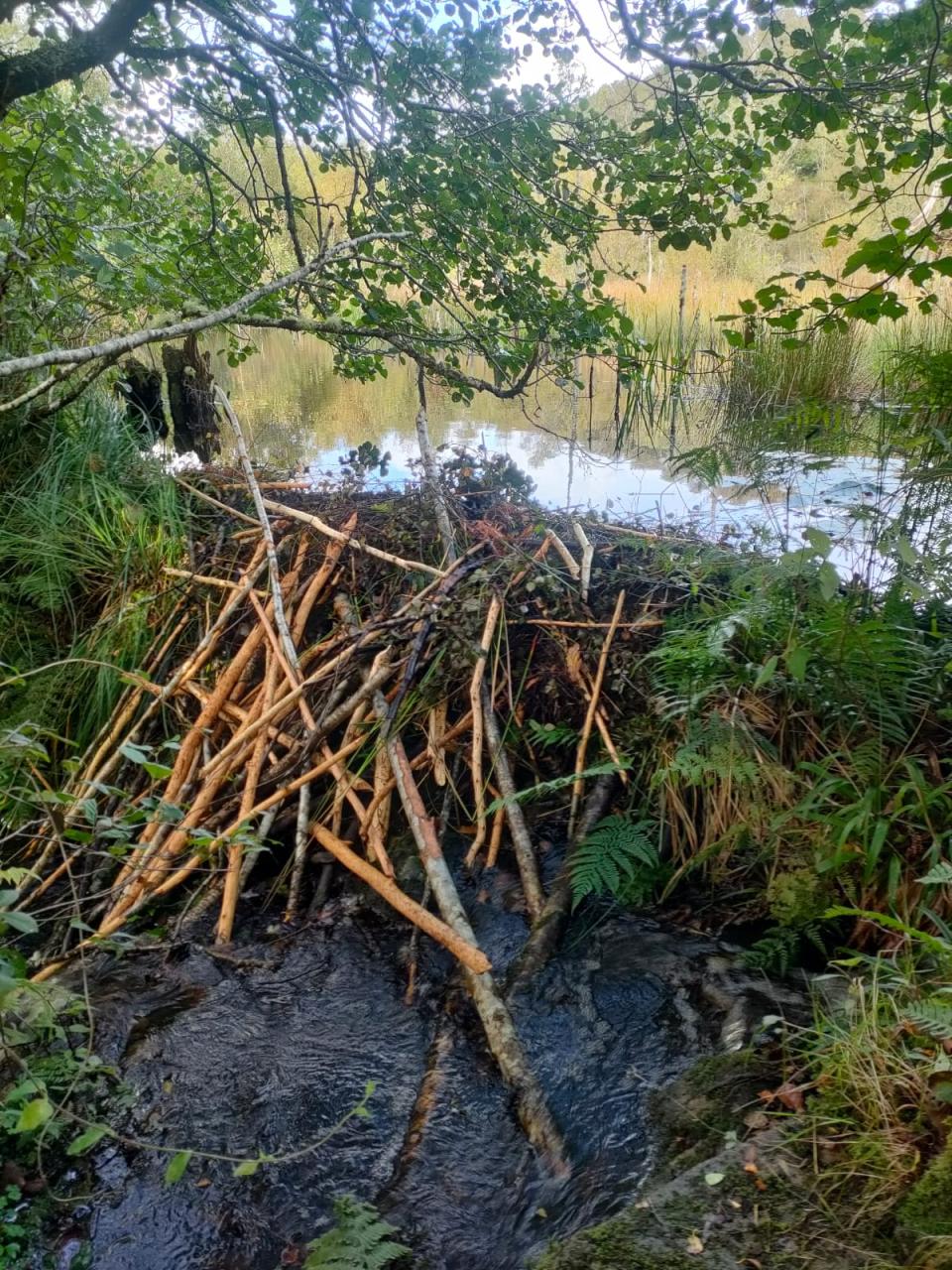
Plus, an absolute HIGHLIGHT of the trip was visiting the Beaver Centre and seeing some real beaver dams, and then waiting at a hide at dusk and spotting a beaver swimming across a loch!
Reunited with TCV
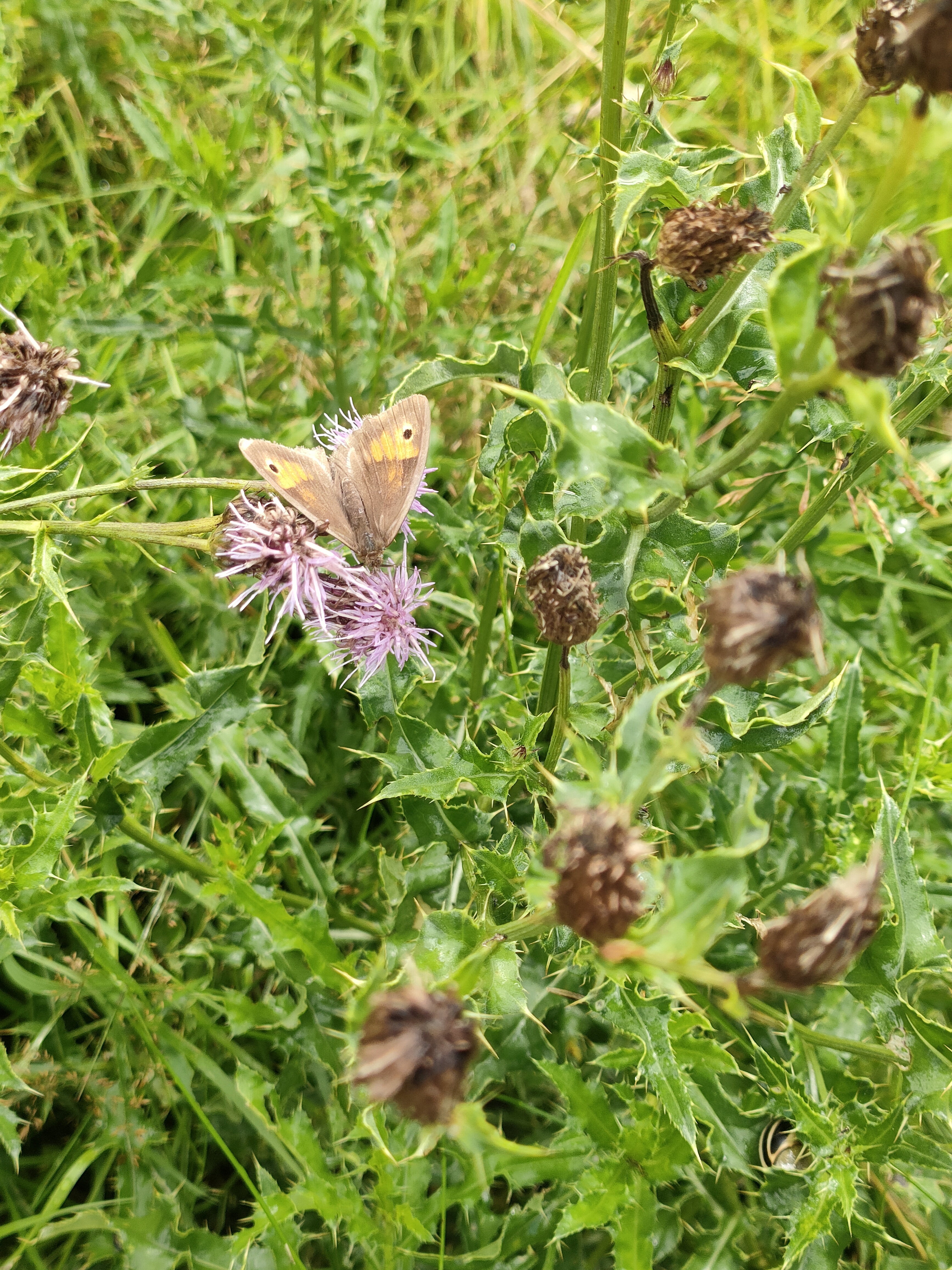
I've also got back into doing stuff with TCV. I got to do a tiny bit of scything, which is SO satisfying and cool. There's also this fantastic weekly group at Clayton Vale, where we occasionally volunteer (next week we're doing pond work) but it's mostly been Green Skills sessions. We learned loads of edible mushrooms on a foraging walk, have done some bioblitzes, IDed autumnal trees, learned about butterflies and water vole surveying, among other things. It's been great to do a regular thing as I feel like we've made a nice community. Tragically the project finishes in December though! NOOOOO!!!
Green fingers at Station South
Upon moving back to Manchester, I wanted to get stuck into volunteering again. I've not done much gardening before but I've now volunteered a few times at the Station South Garden in Levenshulme. It unfortunately clashes with another volunteering and green skills thing that I do, but the times I have been able to go have been very educational. It's nice to actually plant plants as that happens weirdly rarely in conservation volunteering. And they were kind enough to give me some mint, lemonbalm, tarragon and nasturtium that I have growing in pots in my yard now!
Fleaming around Cambridge with the Wildlife Trust
Pulled up a bunch of clematis, hemlock and other competitive plants with Wildlife Trust BCN over summer, and learned a bunch more plant names. Also, discovered I'm allergic to Hogweed as I got some nasty photosensitive blisters after contact with it. I do have cool scars now though!
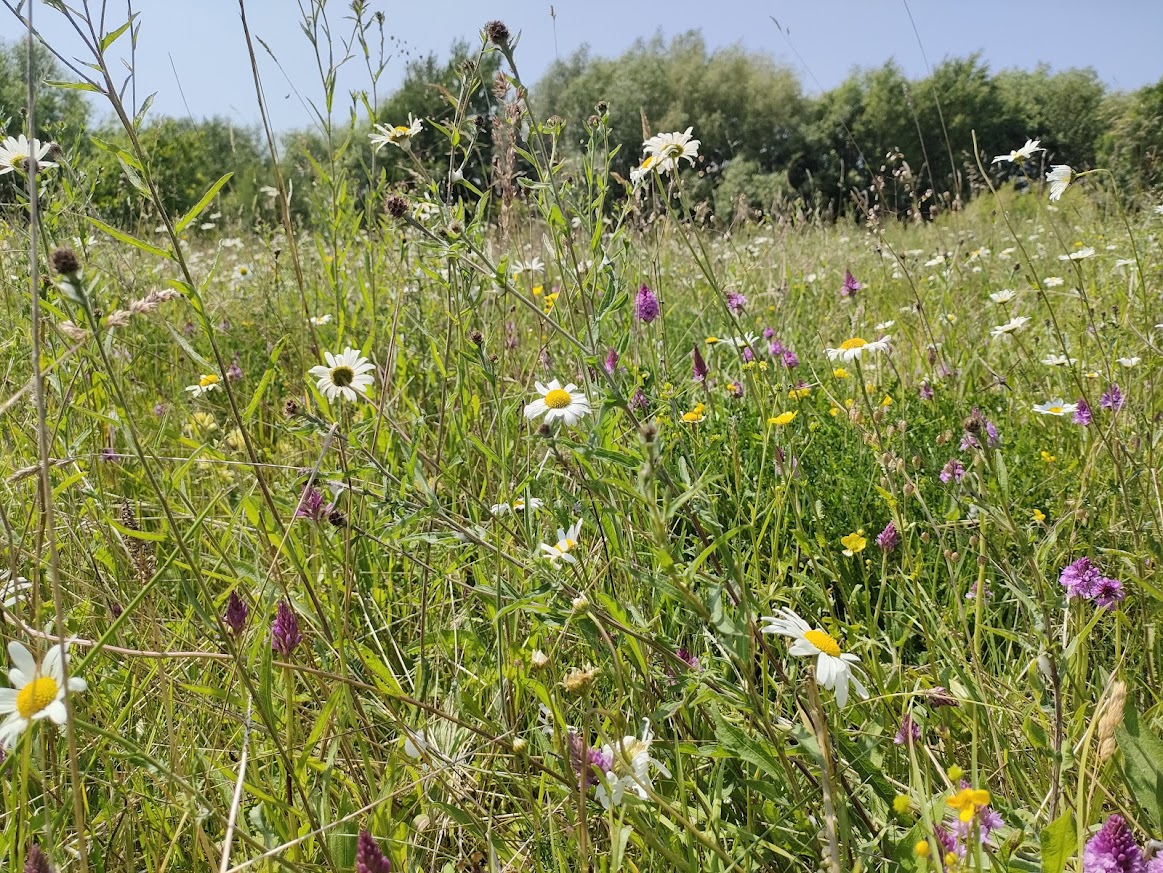
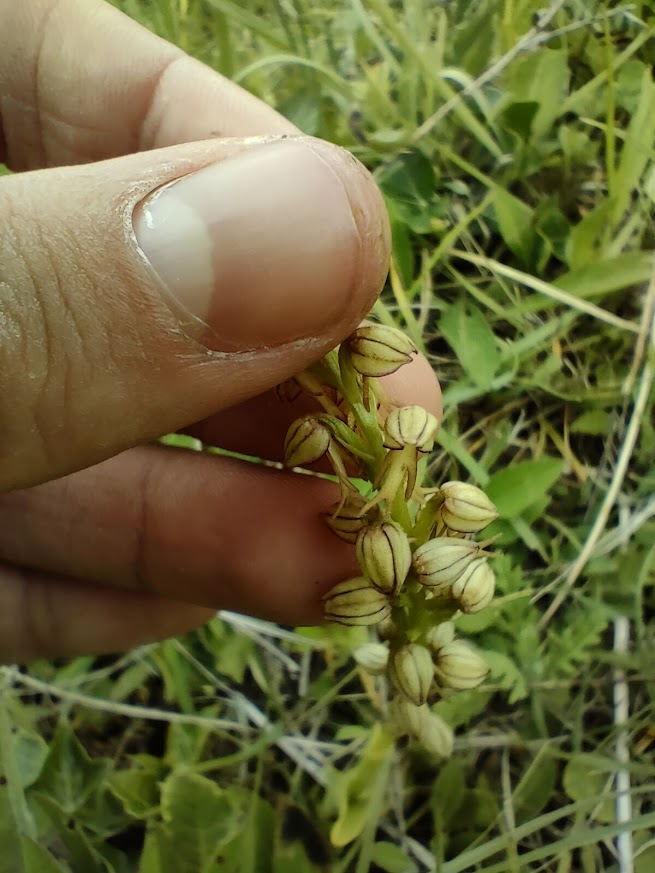
One of the most fun and memorable sessions was counting all of the orchids in a particular area, by getting in a line and calling out the orchid's name for Iain Webb to write down. We saw Common spotted-orchid (Dactylorhiza fuchsii), Bee orchid (Ophrys apifera), Twayblade (Neottia ovata) and Man orchid (Orchis anthropophora), which literally looks like little people! In general, I had a great time learning about chalk grassland plants this summer; I saw so many beautiful species.
Coppicing is fantastic!
I found out about the National Coppice Federation (NCFed) Weekend Gathering through CCV, and as it sounded interesting and was taking place fairly close to Cambridge, I decided to go. It was interesting meeting people who coppiced to make a living when I'd never given much thought to trees before, let alone this specific management technique. I even met two horse loggers!
Then, throughout late Autumn and Winter, I got to try out coppicing. Louise and Vince, who I know through CCV, have been caring for Hardwick Wood for a couple of decades, and have a 7 year rotation of hazel coppice with standards going there.
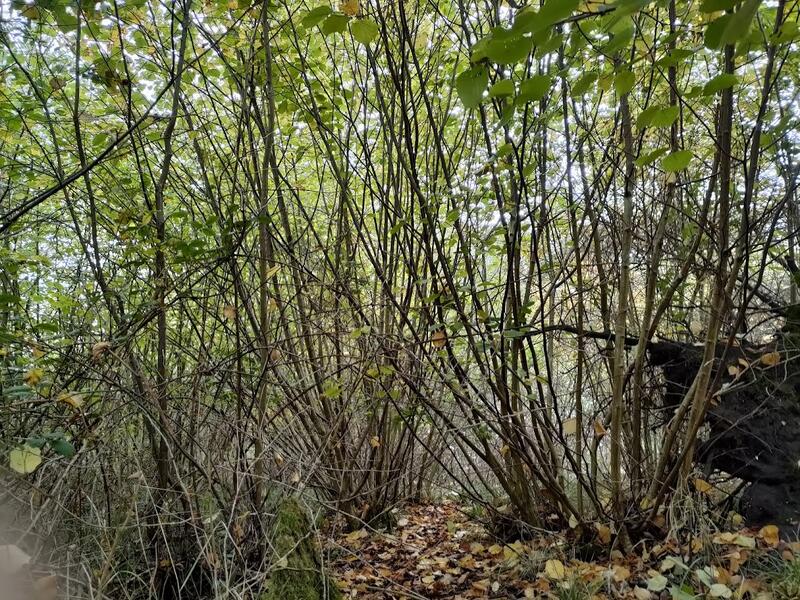
Most Saturdays I got to try my hand with that year's coop, and got super into coppicing! It was really nice to work with handtools (billhooks and saws) really up close to wood; experiencing the textures of the wood and the gracefulness of straight hazel made me appreciate and notice trees so much more.
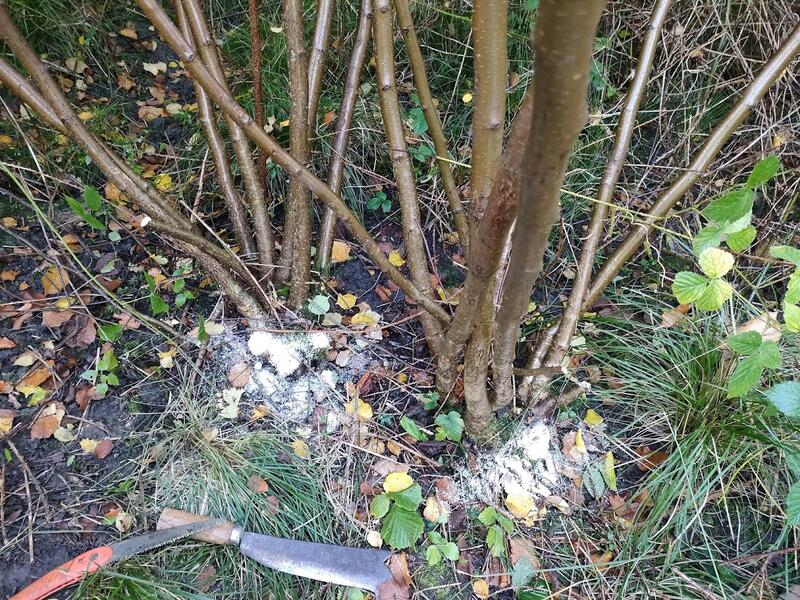
We made beanpoles, pea sticks, layering pegs and hedging stakes, firewood, as well as charcoal in an old oil drum. It was satisfying to make things by hand out of this wood. The money made from it went back into the charity.
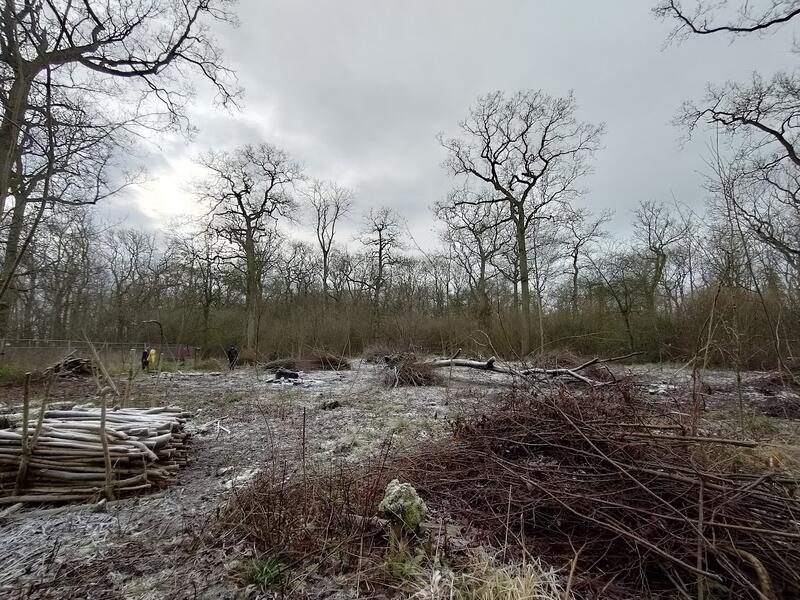
We also layered the hazel (you leave one rod from each stool then dig part of it into the ground) to create more stools and increase the density of the woodland. I also started volunteering as NCFed's social media officer at the same time, but only really got to get things properly going about a year later.
Hedging my bets on hedgelaying
I finally got to try out hedgelaying. For those who haven't heard, it's a fantastically clever idea. If you planted a row of trees and just let them grow, they wouldn't form a very good barrier as gaps would form along the bottom as they grew. This isn't great if you have livestock you'd like to keep in one place. However, when the tree is at least wrist-width, you can slice most of the way through it and bend it so the trunk is nearly flat against the ground. Before you think I'm a bloodthirsty nutter, consider this: plants are metal as heck. As long as some of the cambium is intact, fluids and nutrients can still get up the trunk, and it will send out lots of shoots going up. This is fantastic for making a dense hedge. If you sequentially do this to your row of trees, you will make a formidably dense barrier, especially as hedgerow trees are often spiky, like hawthorn and blackthorn.
That's not the only benefit of hedgelaying. They make diverse habitats for birds to nest in, protecting them from predators. And because the violent laying (or 'plashing') promotes healthy new growth, hedgerow trees can live for hundreds of years.
I had a lot of fun using a billhook and saw to hedgelay in Cambourne and Knapwell. It's quite tricky to lop at the right angle and low enough when laying the trees; a billhook is the best tool for the job but it definitely takes a few goes to start building up your coordination. I ran the health and safety tool talk at the latter volunteer session, and helped beginners work the tools, as I'd used them while coppicing.
It's not light work opening a pond up to light
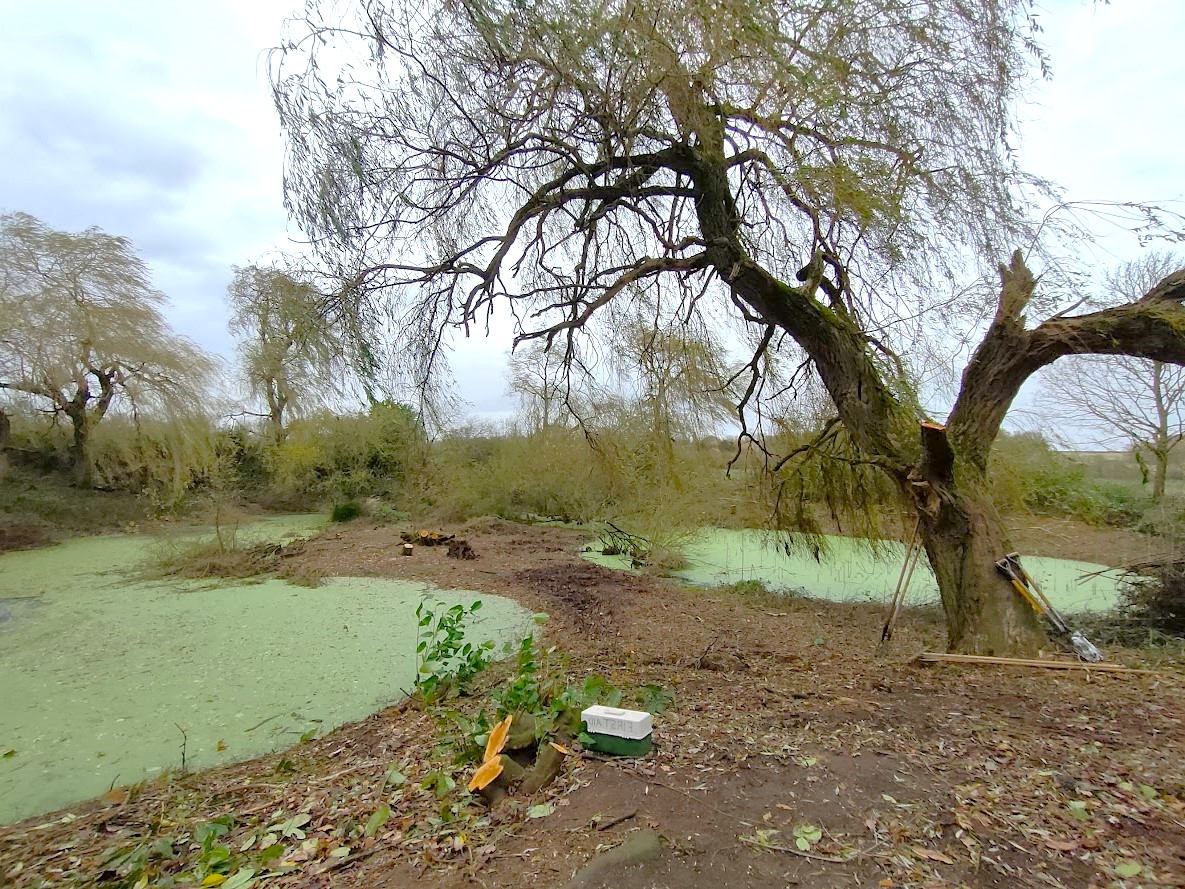
There was a big CCV team of us out at Knapwell RSPB farm clearing some trees and bushes from around this pond to allow more light around it. I helped uproot some willow, and used a bow saw to fell, dismantle and clear a large cherry laurel. Hard work and good fun!
Wow, people have been haymaking here for a thousand years...
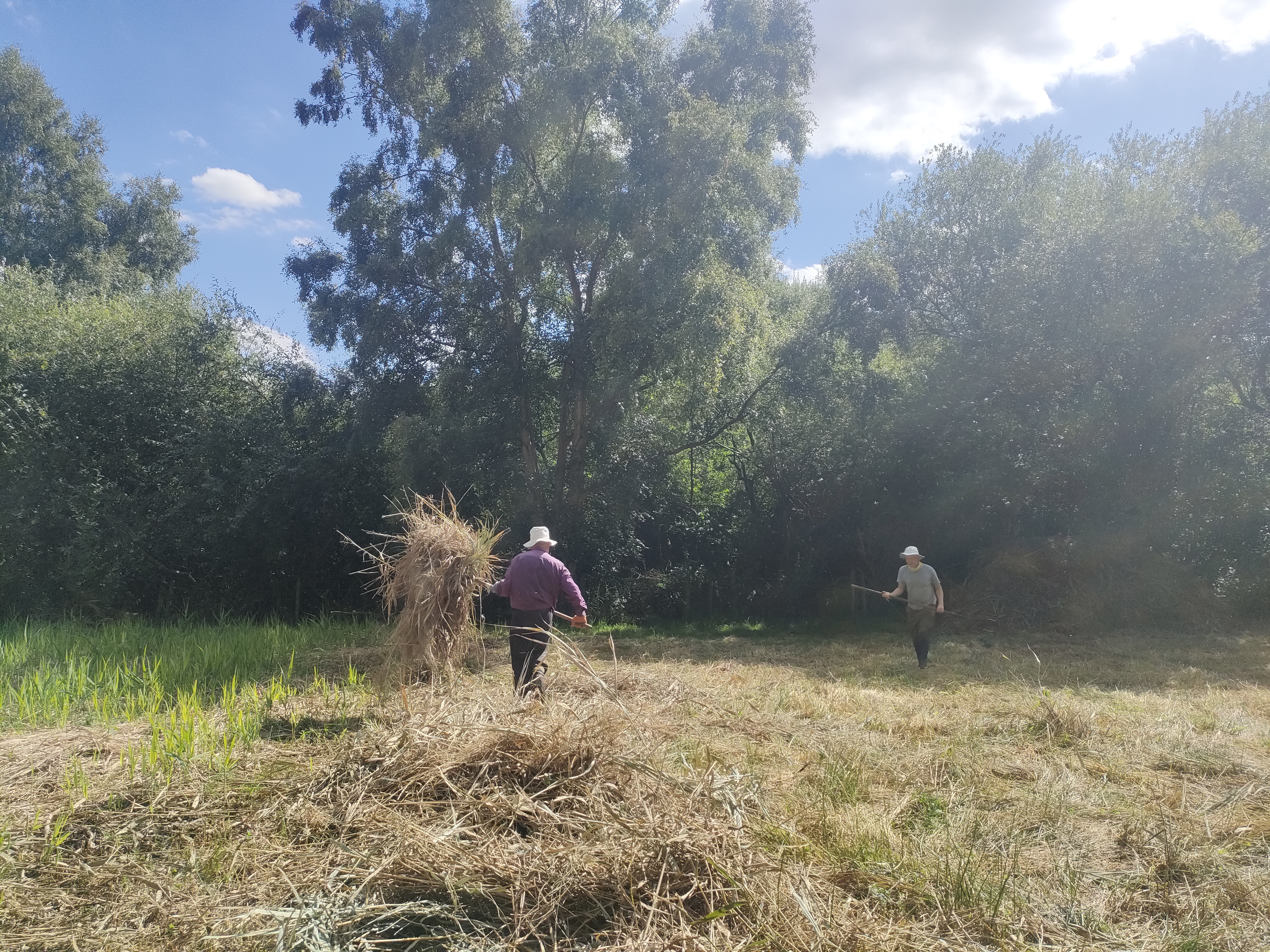
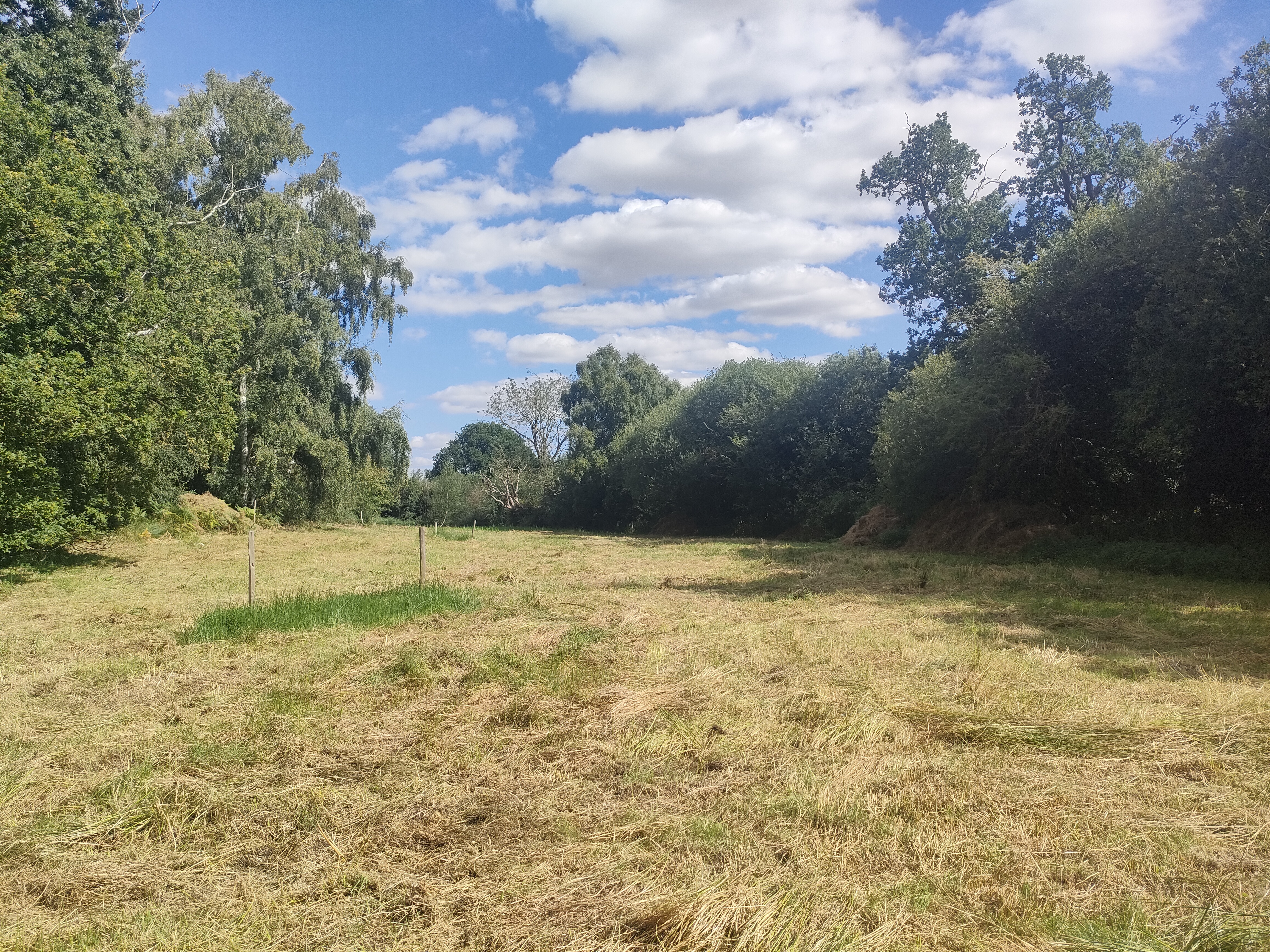
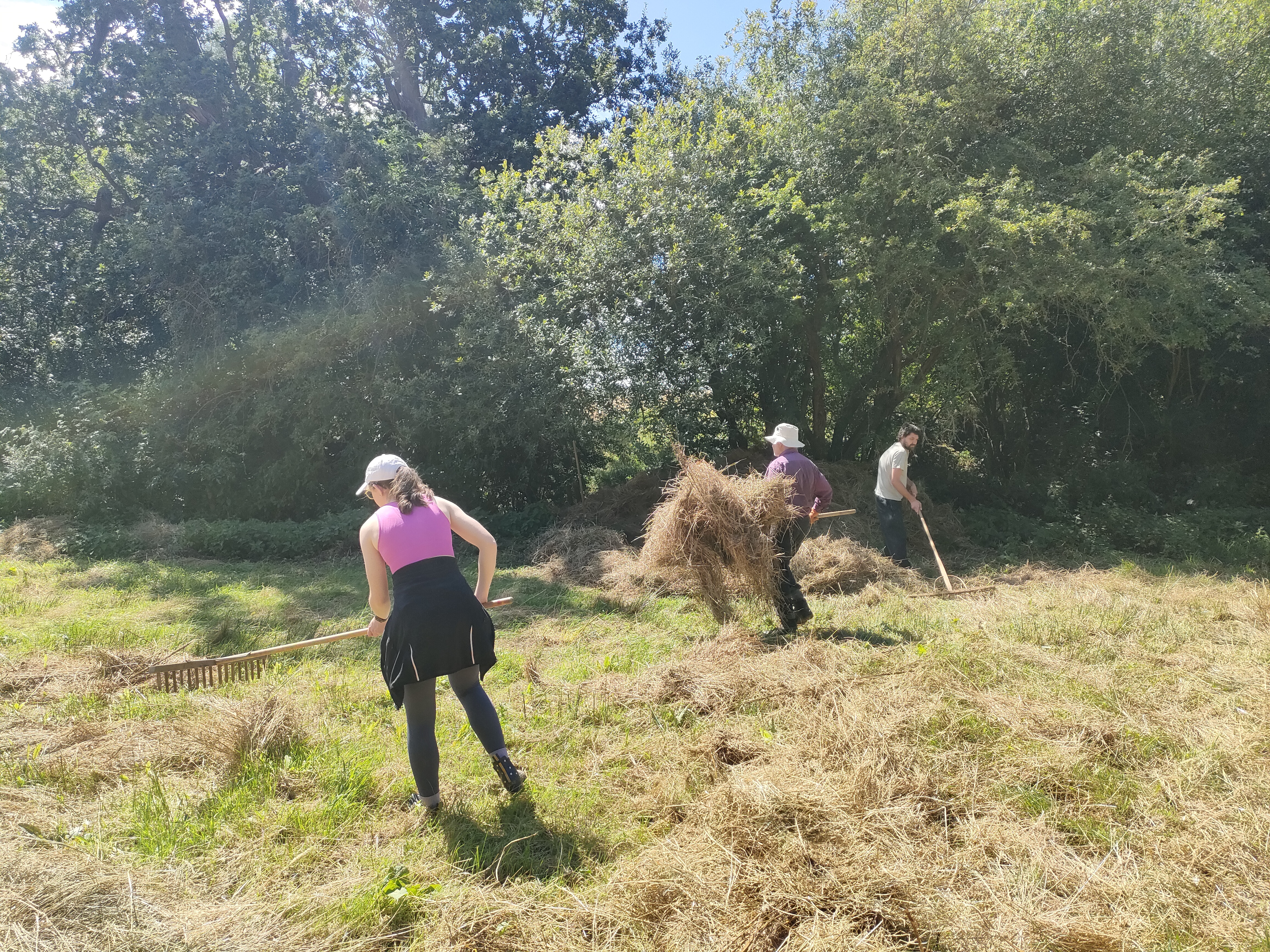
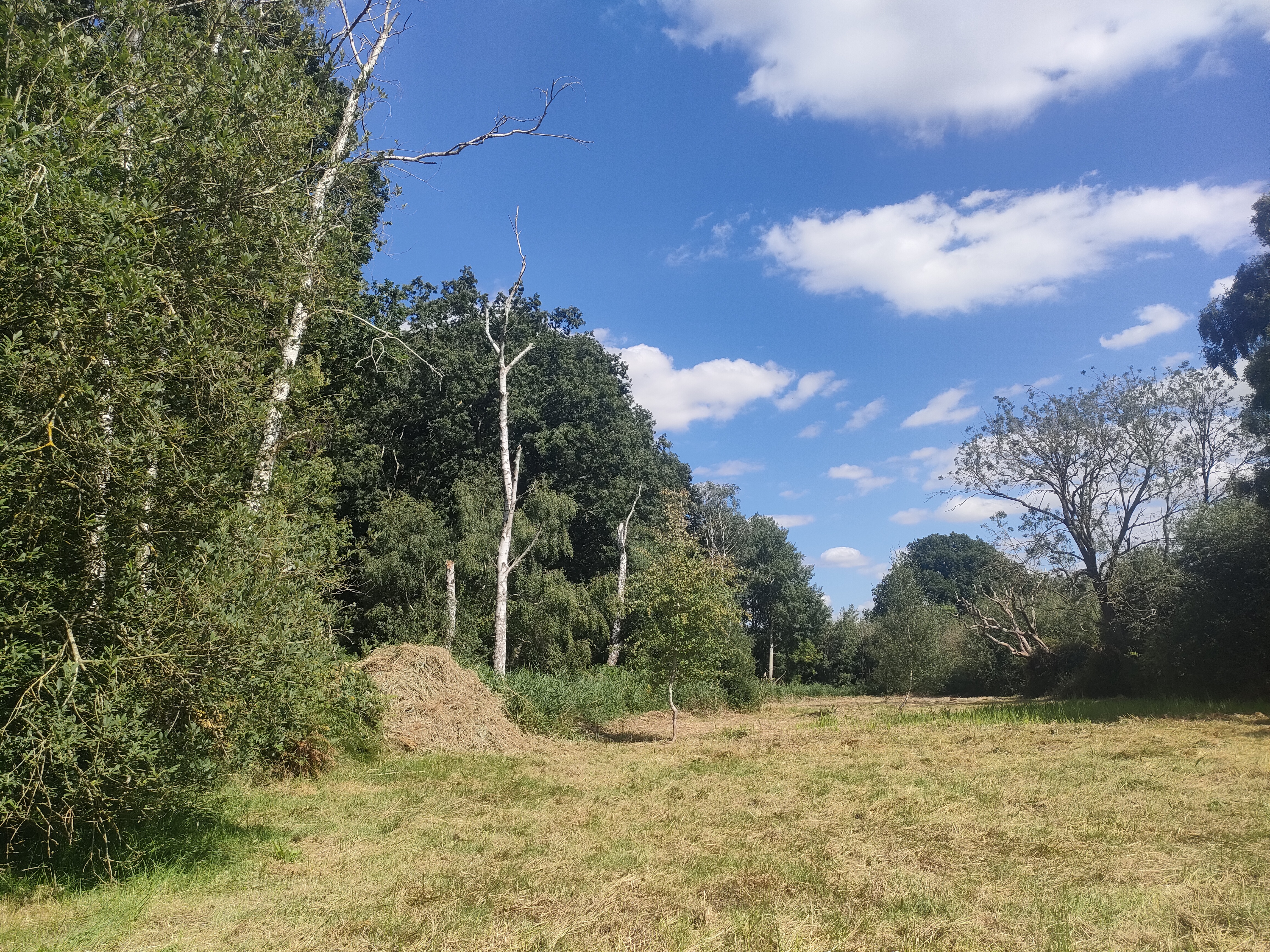
Emotions or moments of awe aren't often talked about in sciencey spaces, but I think it's really valuable to mention these. They're often at the core of what why we do what we do, even if we might not realise this. The first time I raked hay was with CCV, on a very hot day at a wet meadow in Gamlingay, which has had written record of having meadows for nearly one thousand years. That's right. One thousand years.
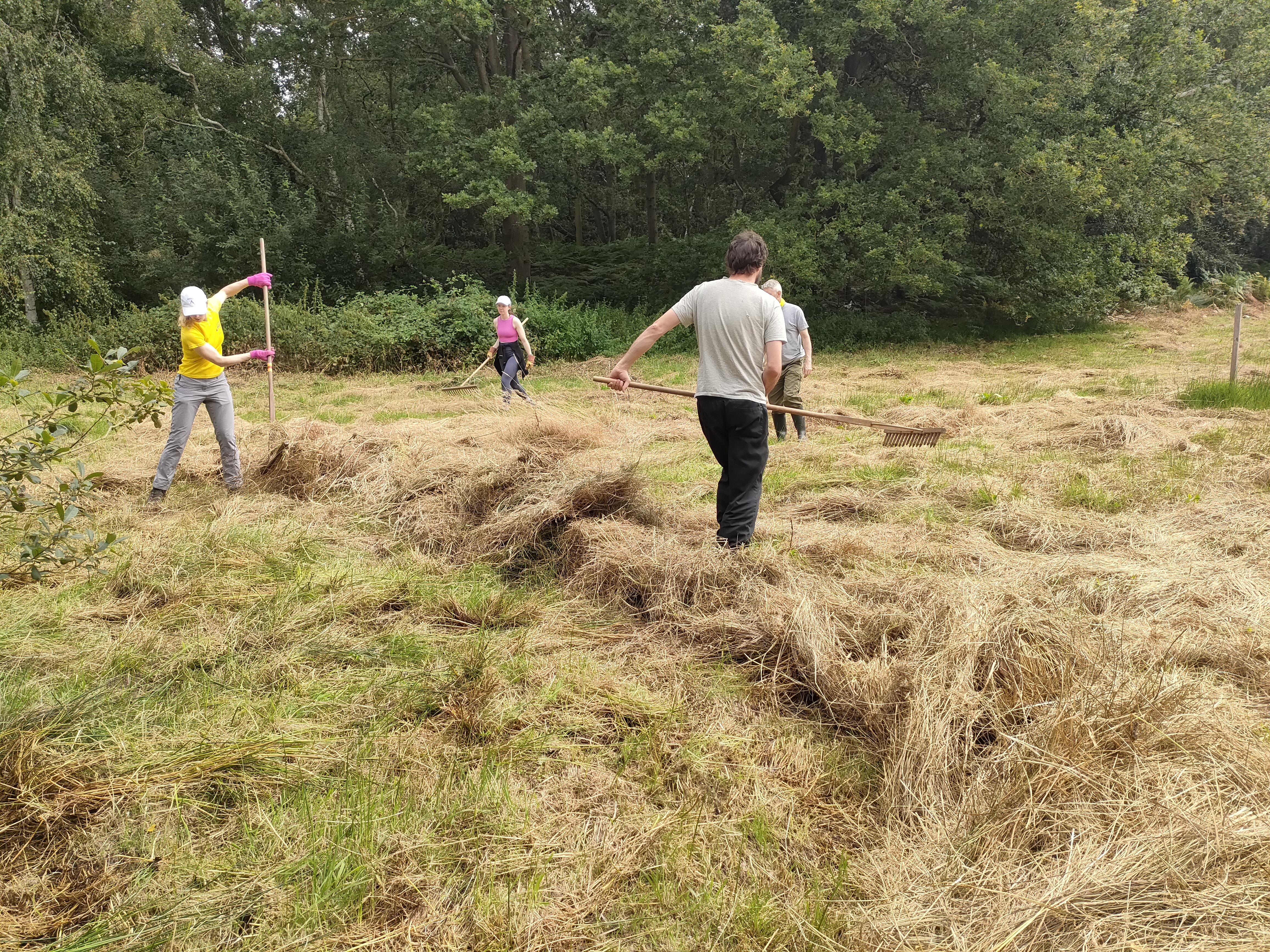
The Domesday Book, published in 1086, mentions meadows at Gamlingay. That's not really surprising; people needed places to graze livestock. But it just really hit me as I was raking up mounds of hay: wow, someone was right here, hundreds of years ago, doing the same thing that I'm doing now. They were using pretty much the same tools, on a similarly hot day, pitchforking up the same kind of grass. Year upon year, for hundreds of years. And here I am, continuing that legacy.
How now brown cow? Don't eat that ragwort!
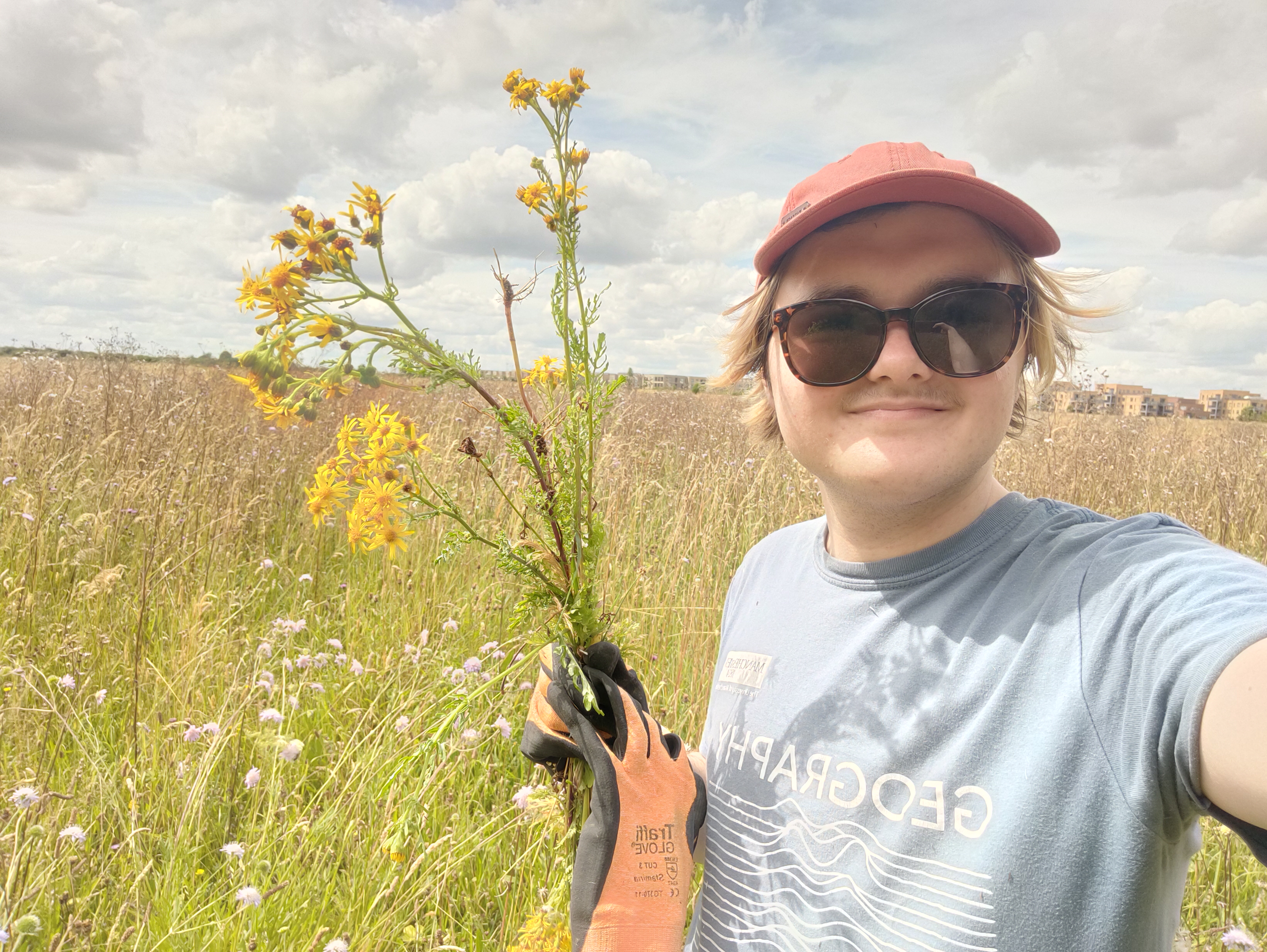
After finishing my Geography BSc at UoM, I moved back down to Cambridge where I lived with family for a year. I volunteered with Cambridge Conservation Volunteers and Wildlife Trust BCN.
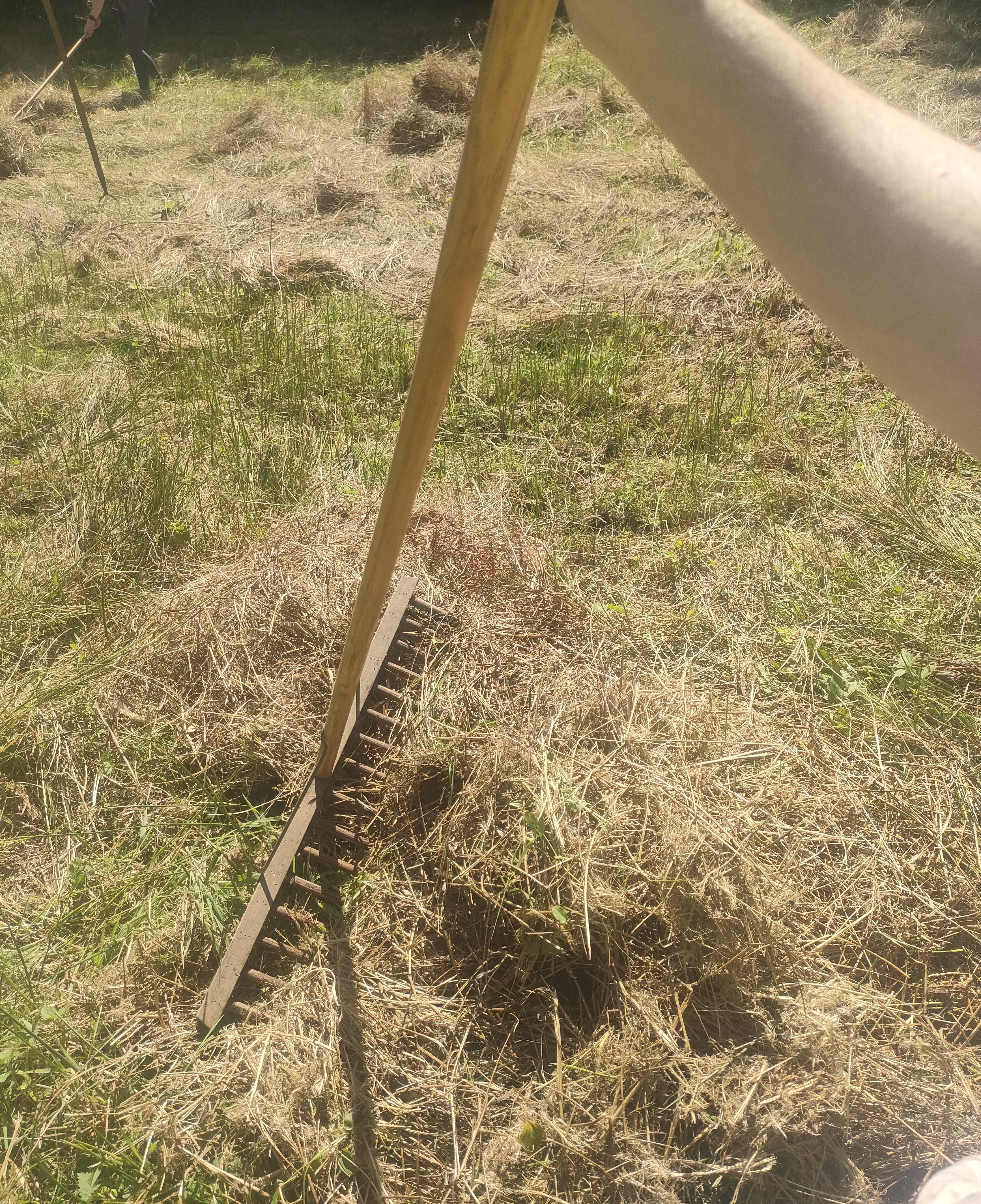
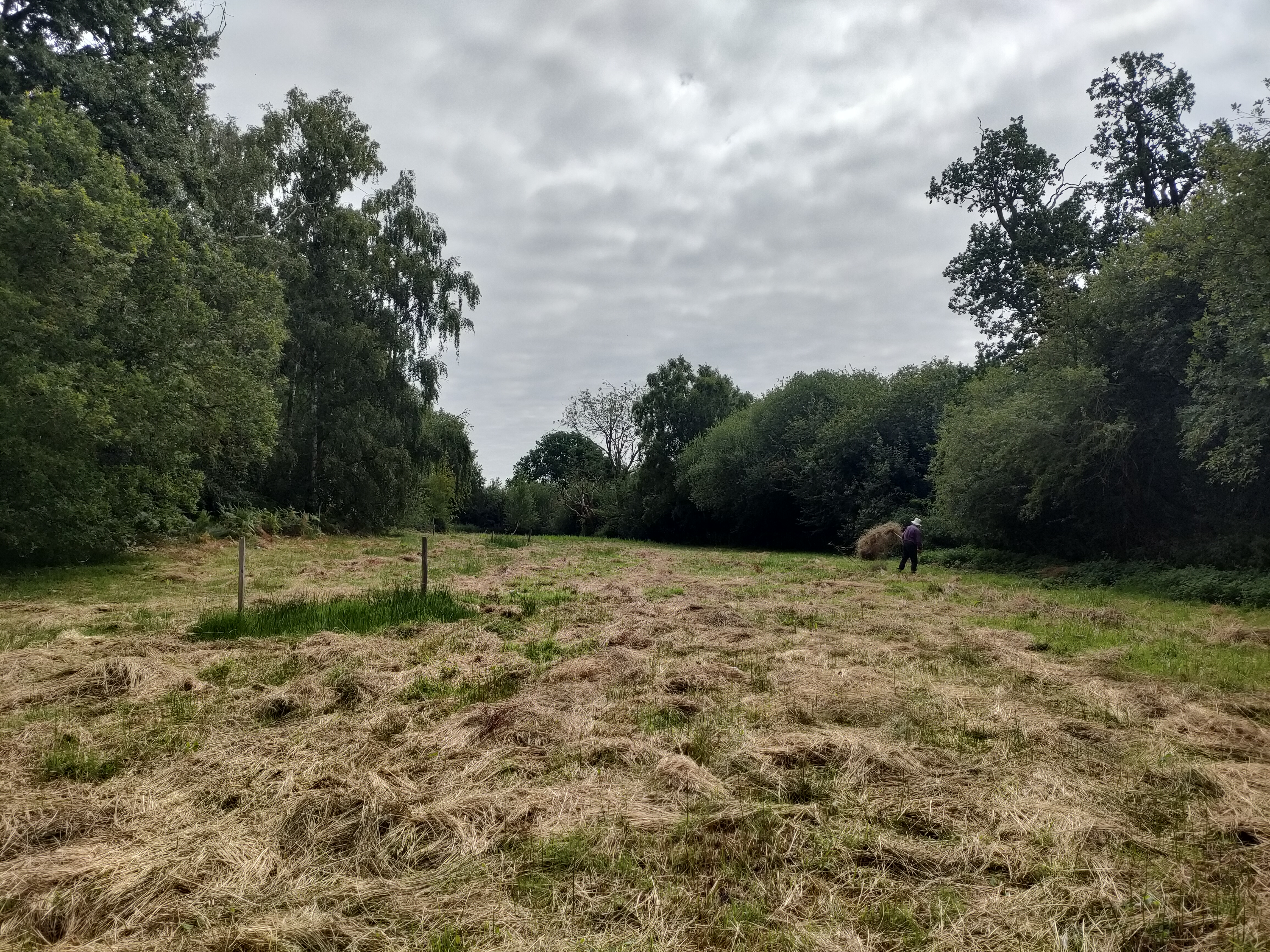
Wildlife Trust BCN manages some grasslands near Trumpington, such as Hobson's Park, and has an agreement with a farmer who gathers the hay to feed his cattle. This is a win-win situation as it lowers soil Potassium, which supports high wildflower diversity and provides local hay for local cows. However, ragwort is poisonous to those beasties, and when it is dried in hay they cannot spot it. So we pulled up all of the ragwort in the area that was to be mown, leaving some in the border to support cinnabar moth caterpillars who eat it.
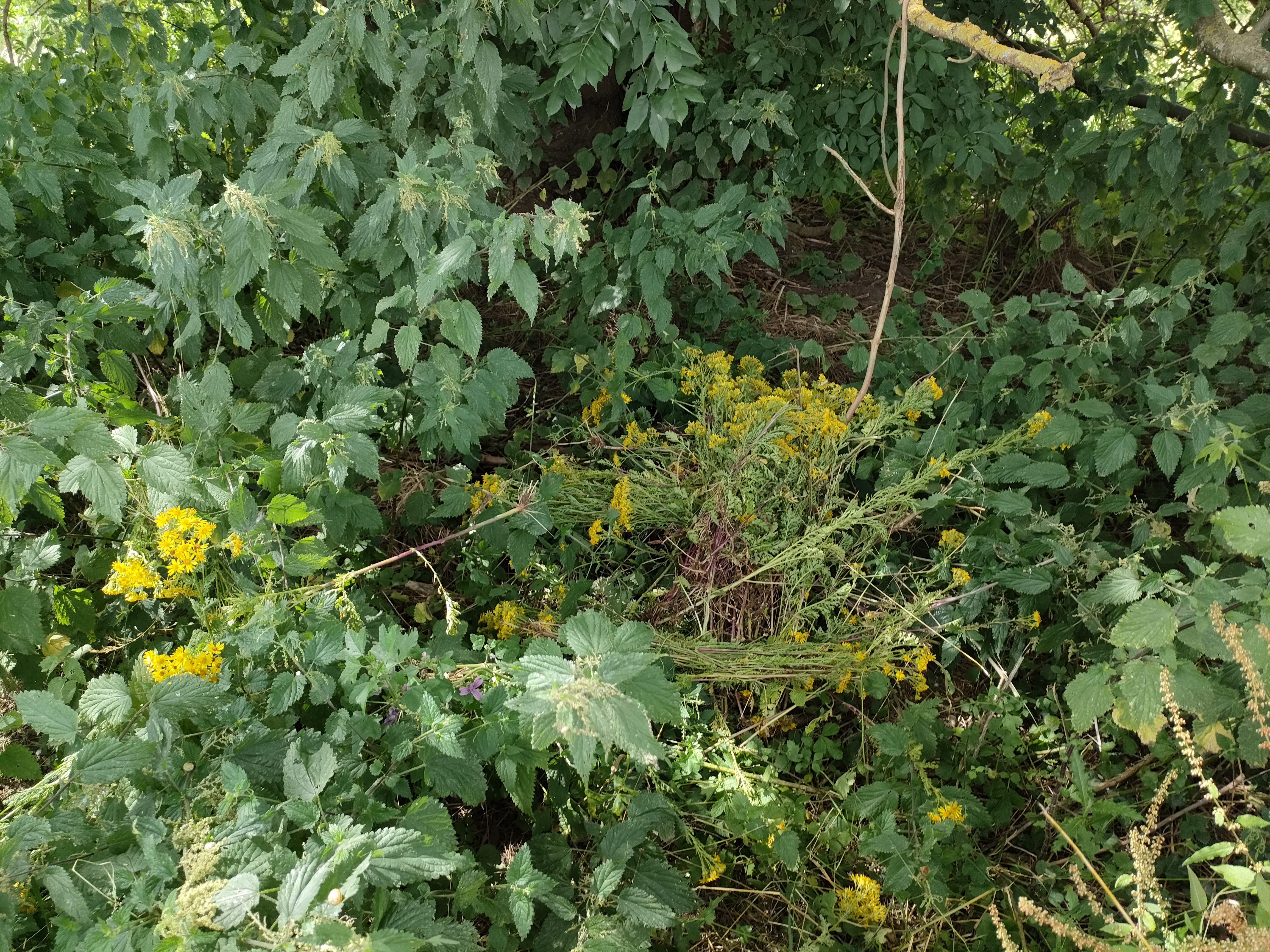
Rapidly surveying your local grassland
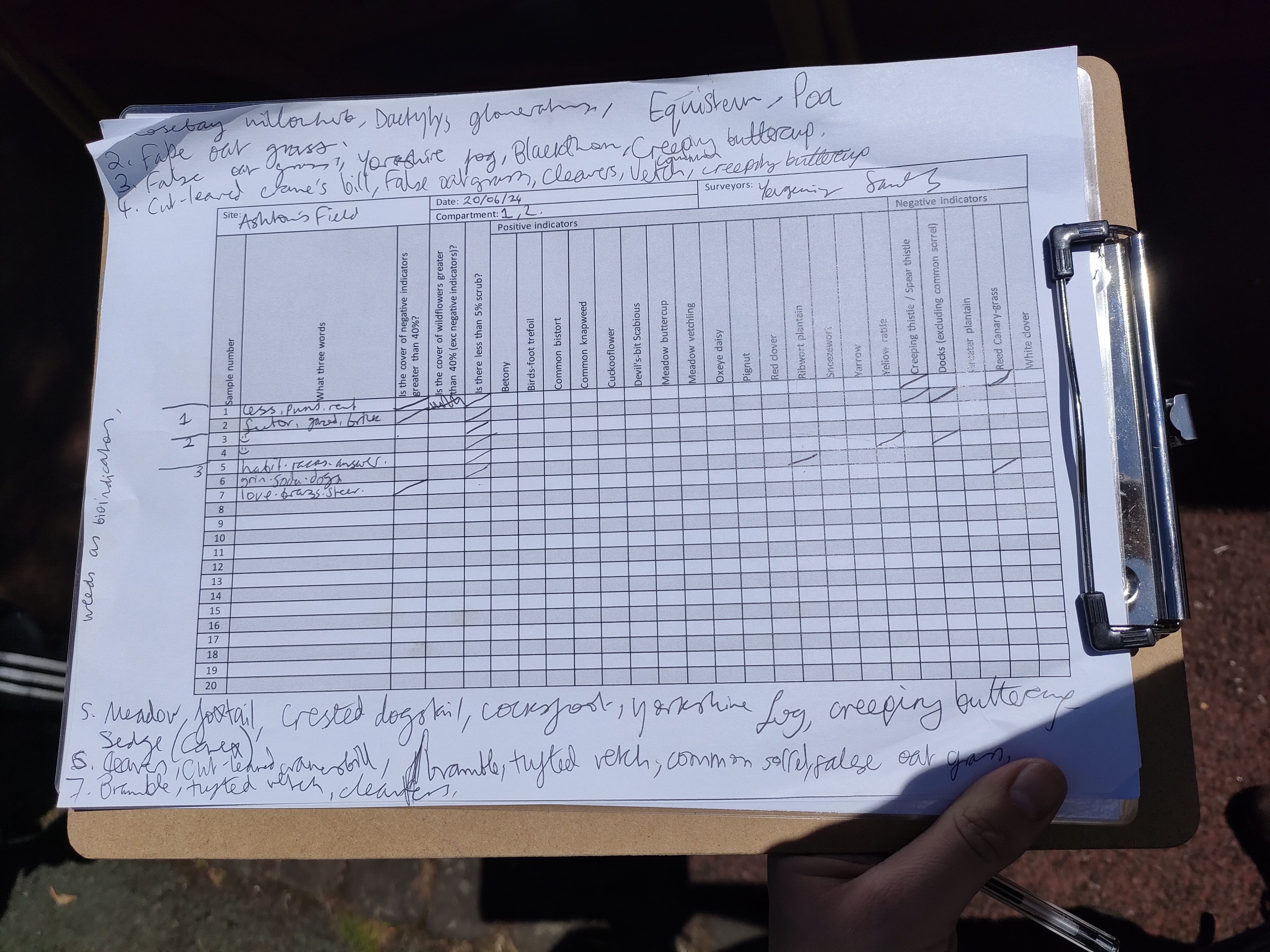
The Conservation Volunteers (TCV) were trialling how well a quadrat-based Rapid Grassland Survey method worked in Greater Manchester, so I went out with a group of volunteers and we identified plants, taking their location and ticking them off on a table. I'm a big fan of surveying, so it was fun doing this for TCV.
The first of much balsam removal
Anyone who has done much conservation work around early summer knows the wet snap of Impatiens glandulifera as you break it off before the node. It's pretty satisfying to clear areas of undergrowth that have been taken over by this pretty pink plant.
Listening out for willow tits
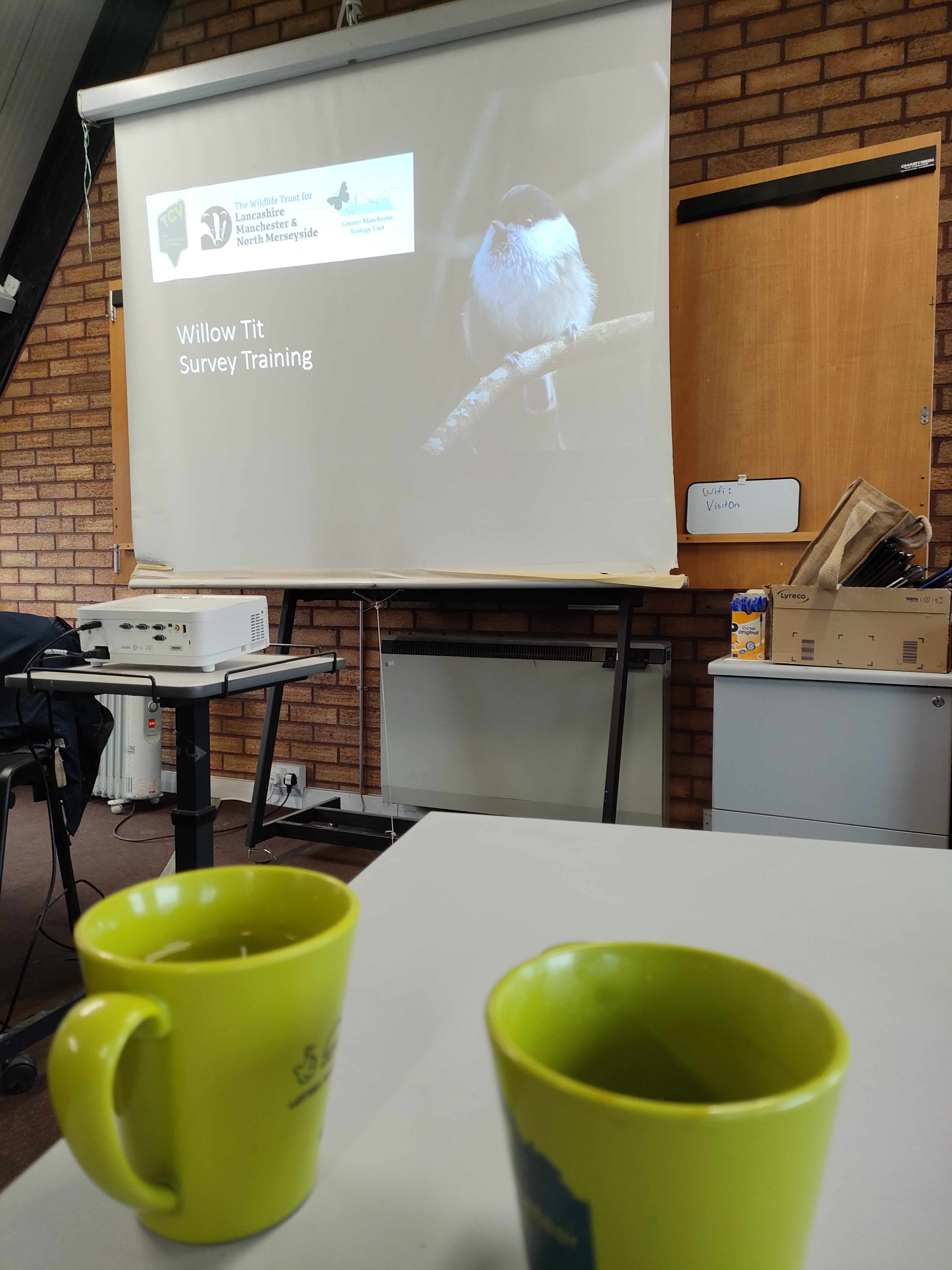
I carried out independent willow tit surveying as part of the citizen science arm of the willow tit habitat project across Greater Manchester and Bolton. After attending a classroom training session and watching some willow tits (Poecile montanus) on the bird feeder at Sale Water Park, I chose Stretford Meadows as my tetrad.
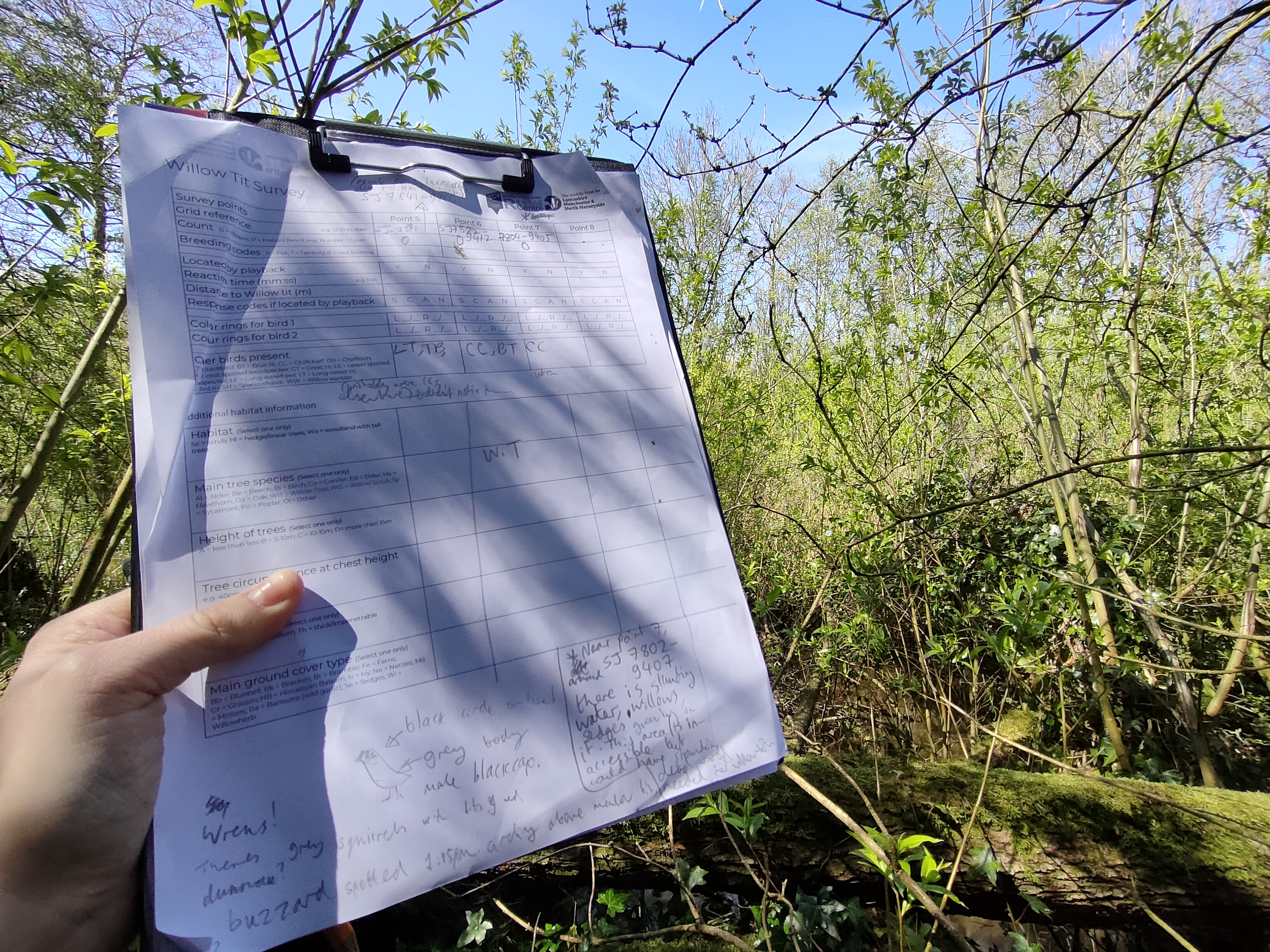
I visited it twice during the breeding season, assessing tree width, height and species, ground cover, and bird species. I used a prerecorded willow tit call and listened closely to see if there was any response. Unfortunately, it didn't seem that this area had any willow tits at the time. But I did see a fantastic pair of Great Spotted Woodpeckers (Dendrocopos major)! This was my first time using Greater Manchester Local Record Centre's MapApp to report my data.
Willow to the rescue!
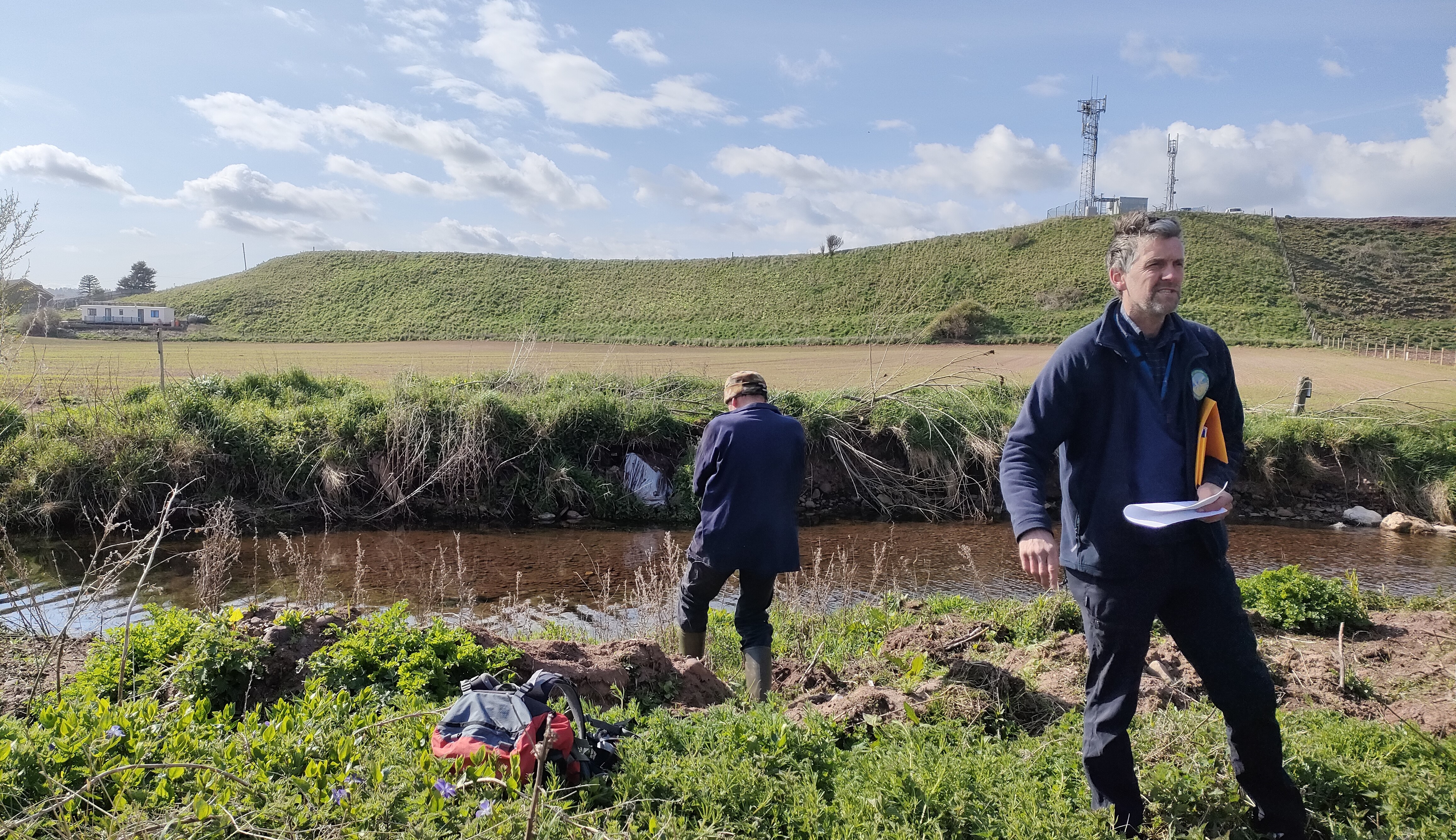
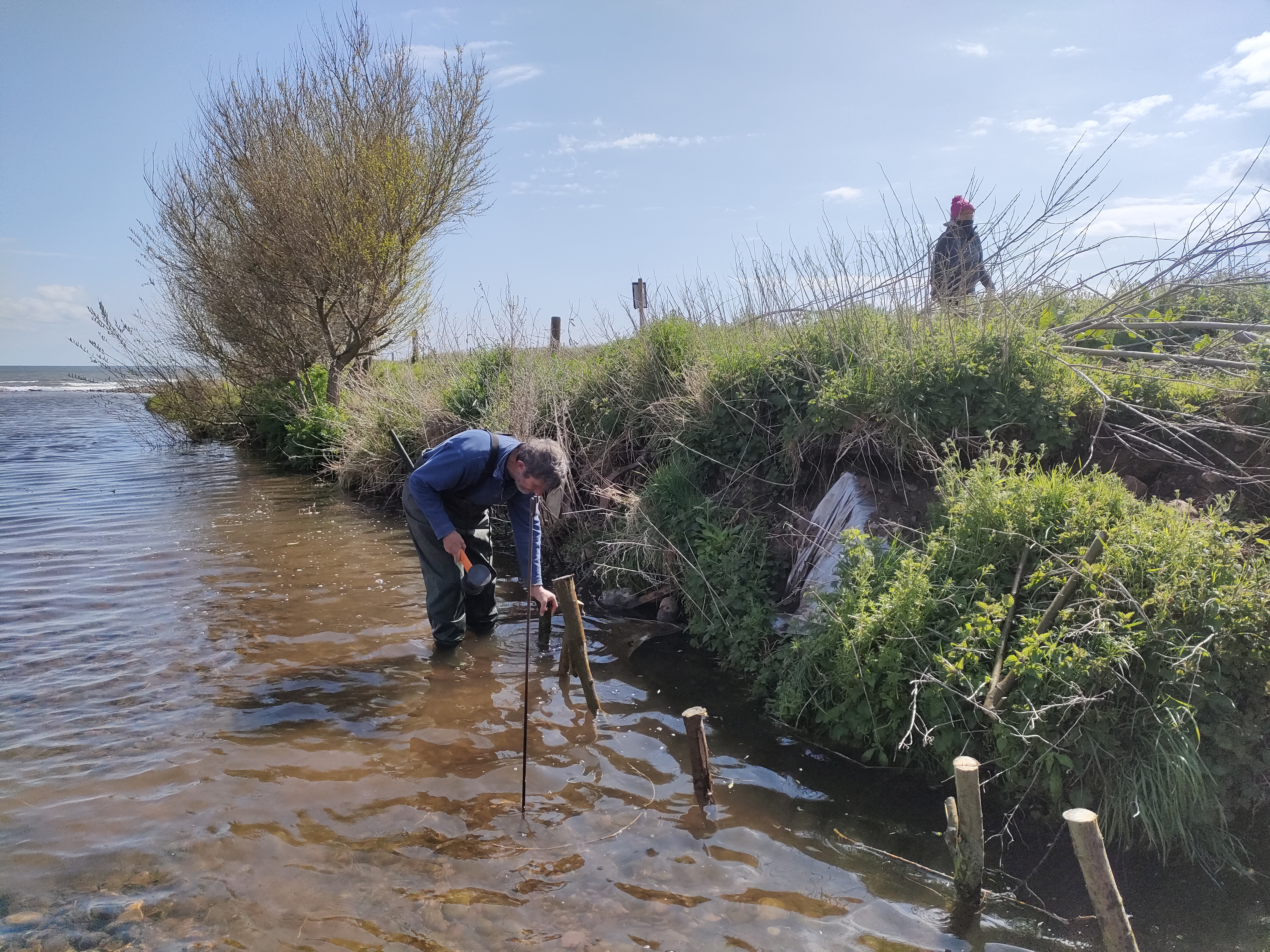
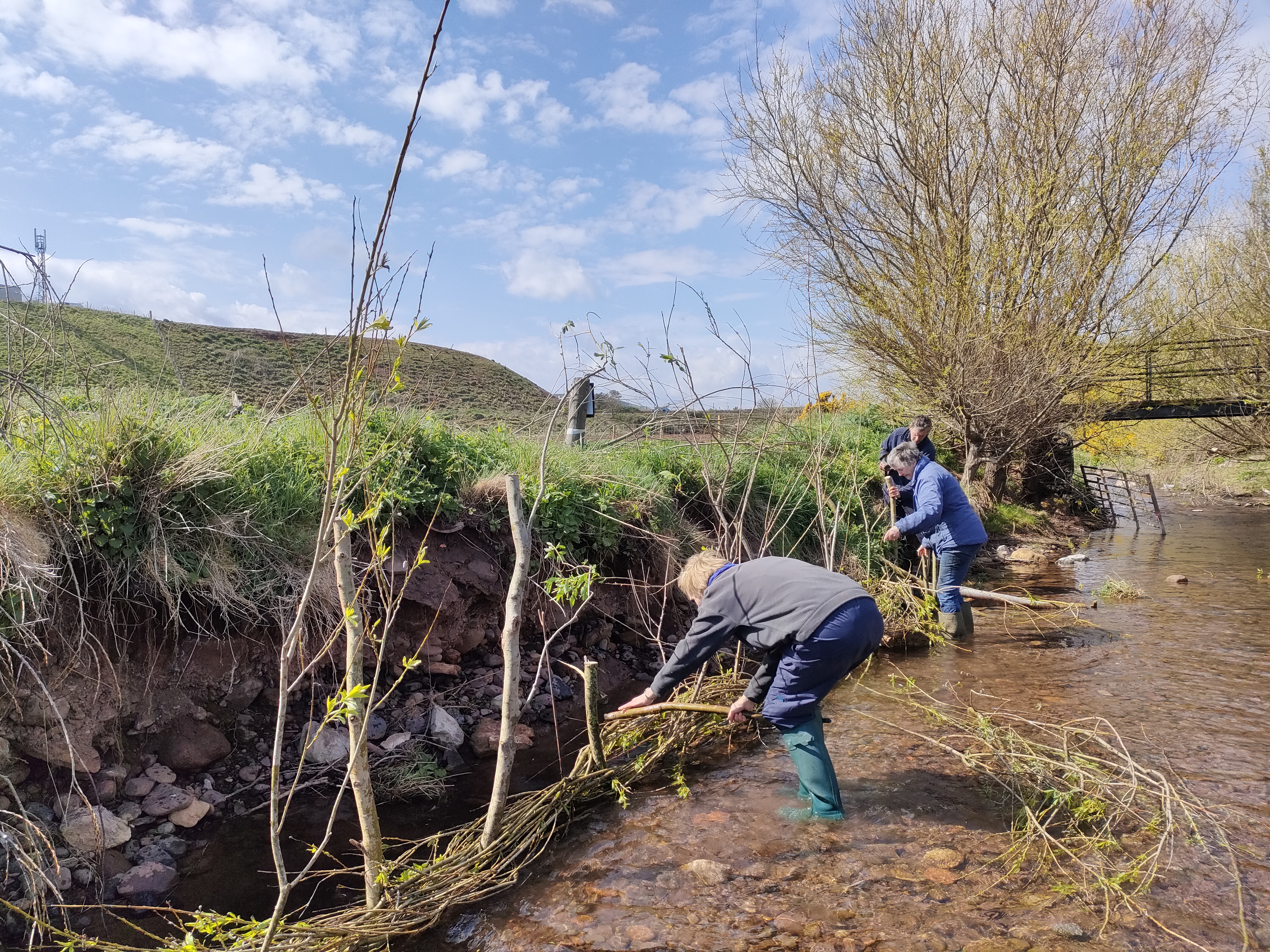
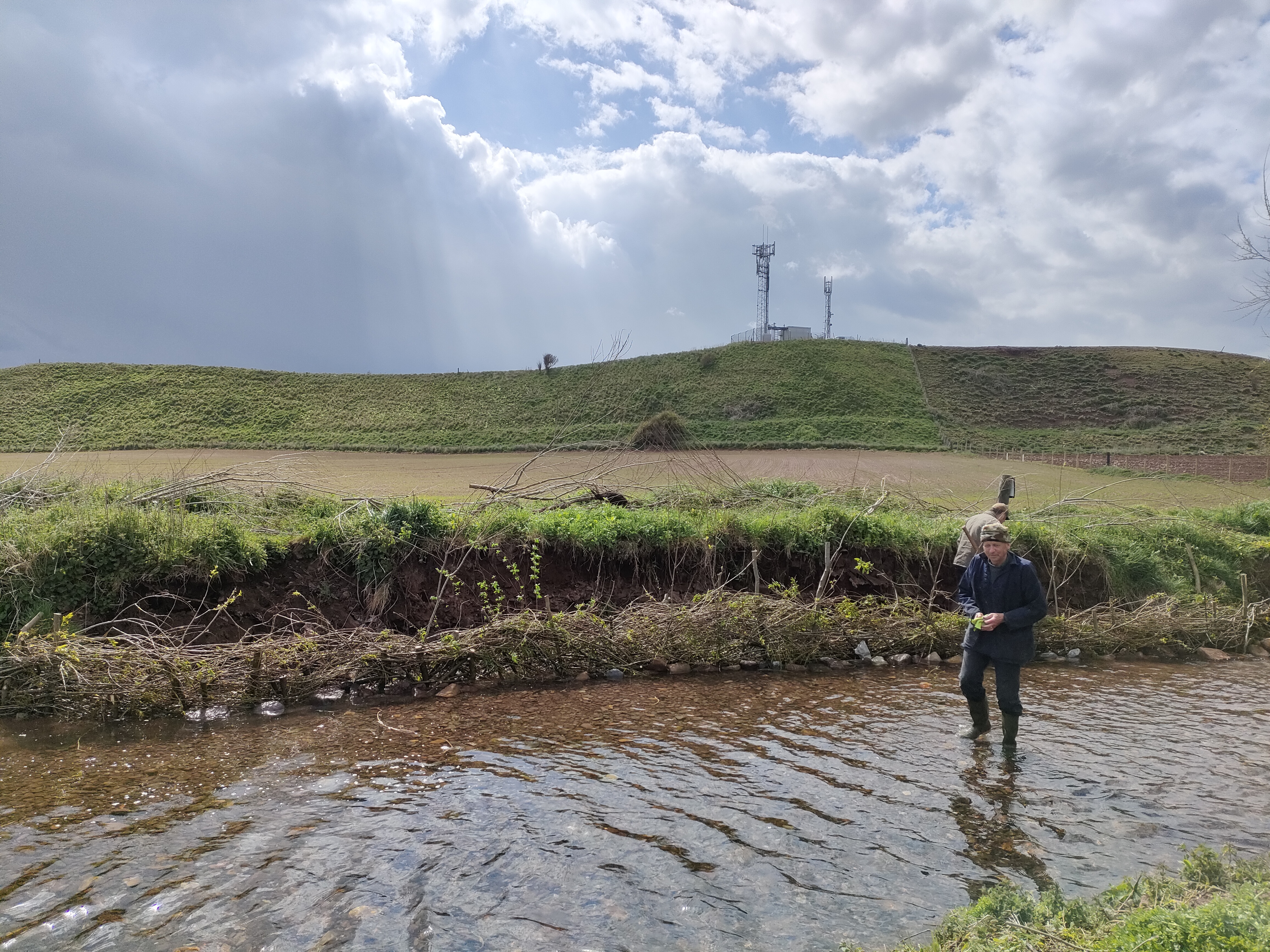
While interning in Dunbar, I volunteered with East Lothian Countryside Rangers. The most memorable task was weaving a willow fence using fresh willows to improve the stability of an eroding riverbank on the coast. One side of the bank was eroding, while the willows on the other side were overshadowing the water. So, we cut their branches and wove them into a fence, with the aim of the willows rerooting and becoming a living reinforcement to the bank. Isn't that incredible!
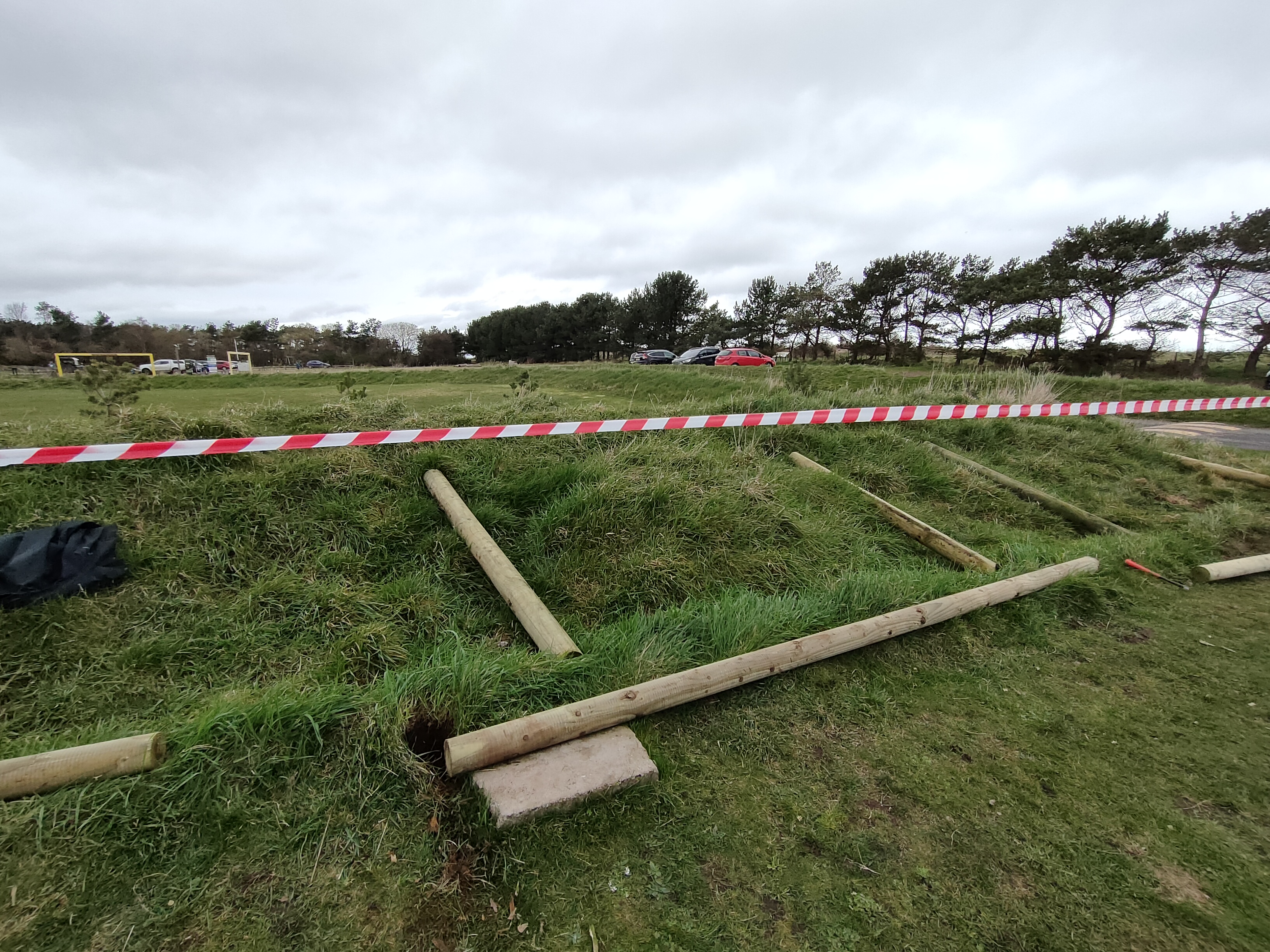
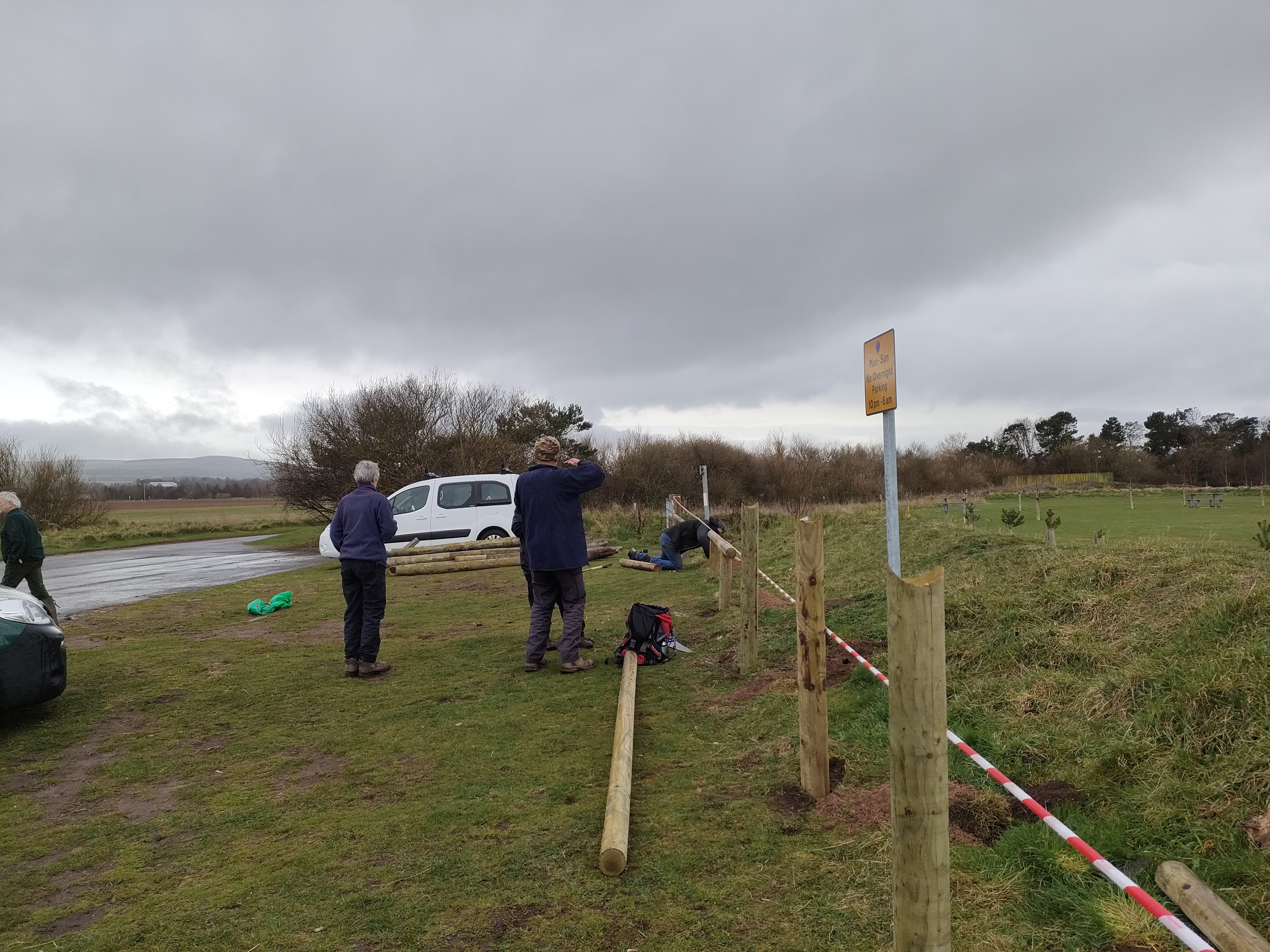
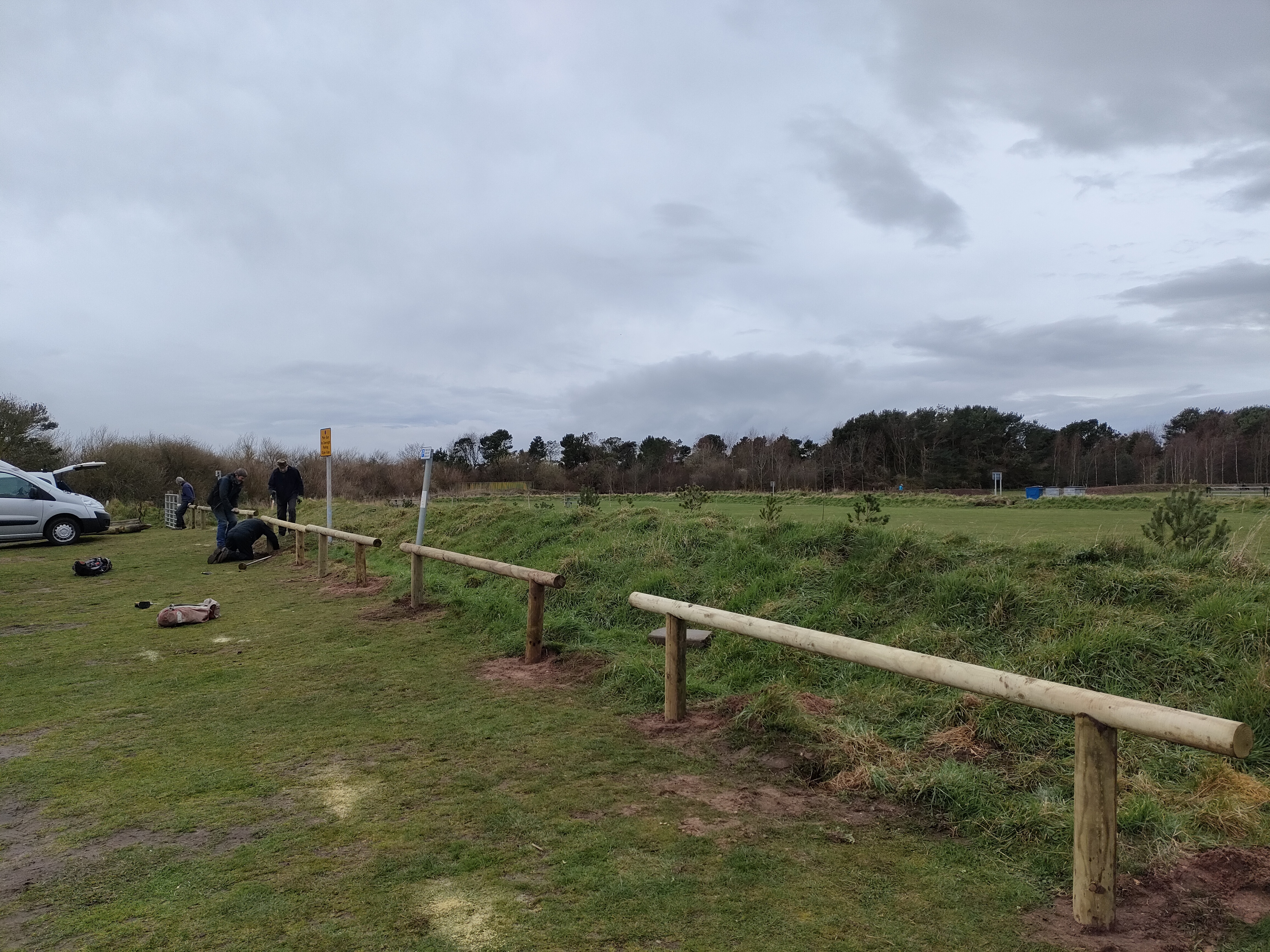
We also improved access to footpaths by excavating a staircase from underground and clearing overgrown plants, and built a fence at the car park of a local nature reserve.
Digging a pond and planting trees
My first foray into conservation volunteering was through the University of Manchester's group, the Tree Musketeers. I was instantly hooked! We planted a mix of saplings (trees and woodland bushes), digging them into holes and covering them with felt and mulch for protection.
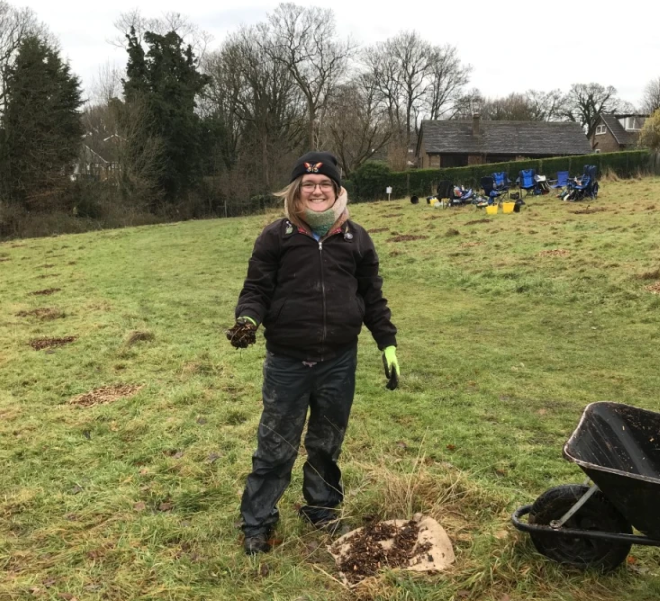
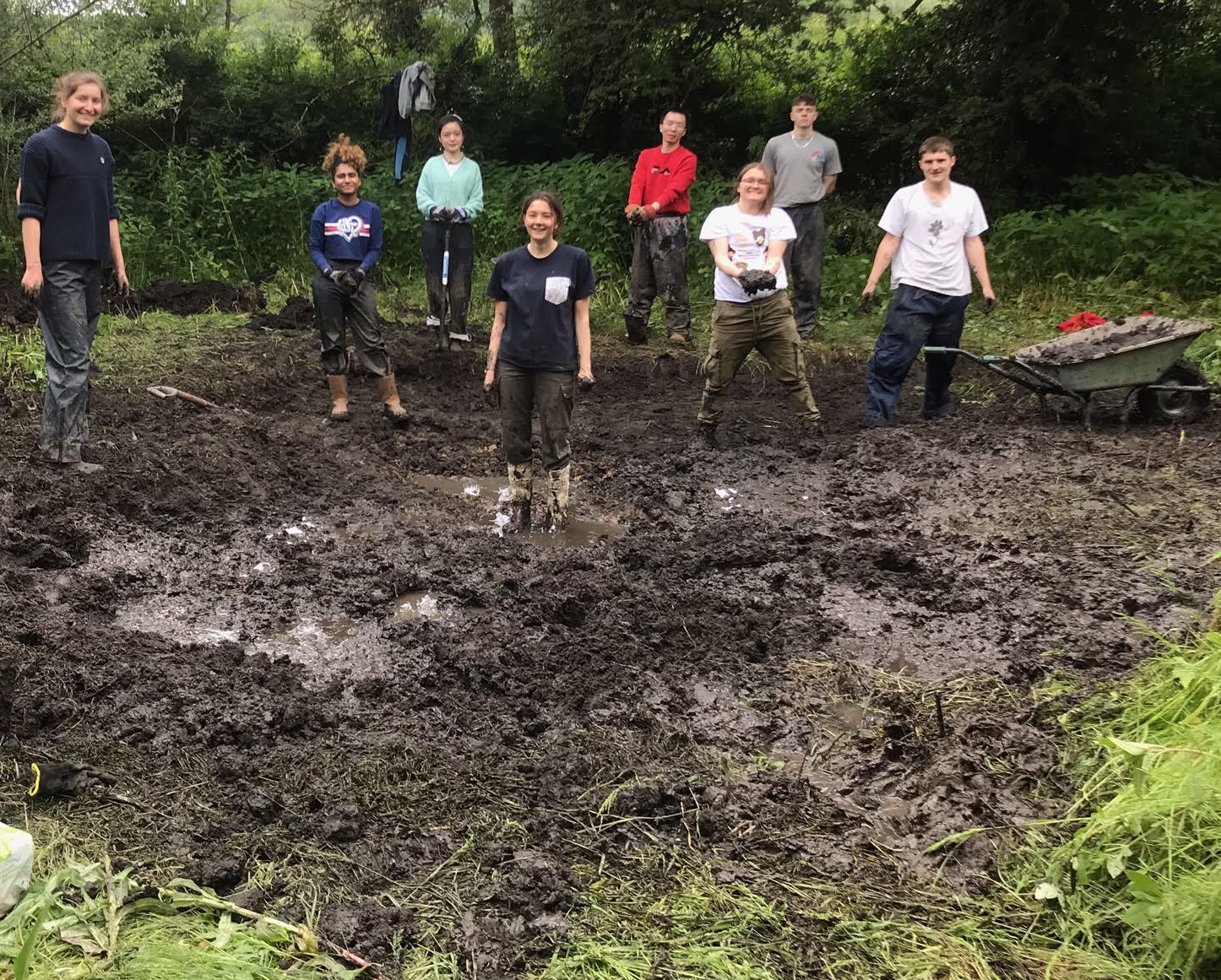
After that, I made the wise decision to wear a new white t-shirt while we dug a pond... ah well, I won't make that mistake again! I believe this was in Marple, at the bottom of a hill where water was accumulating.
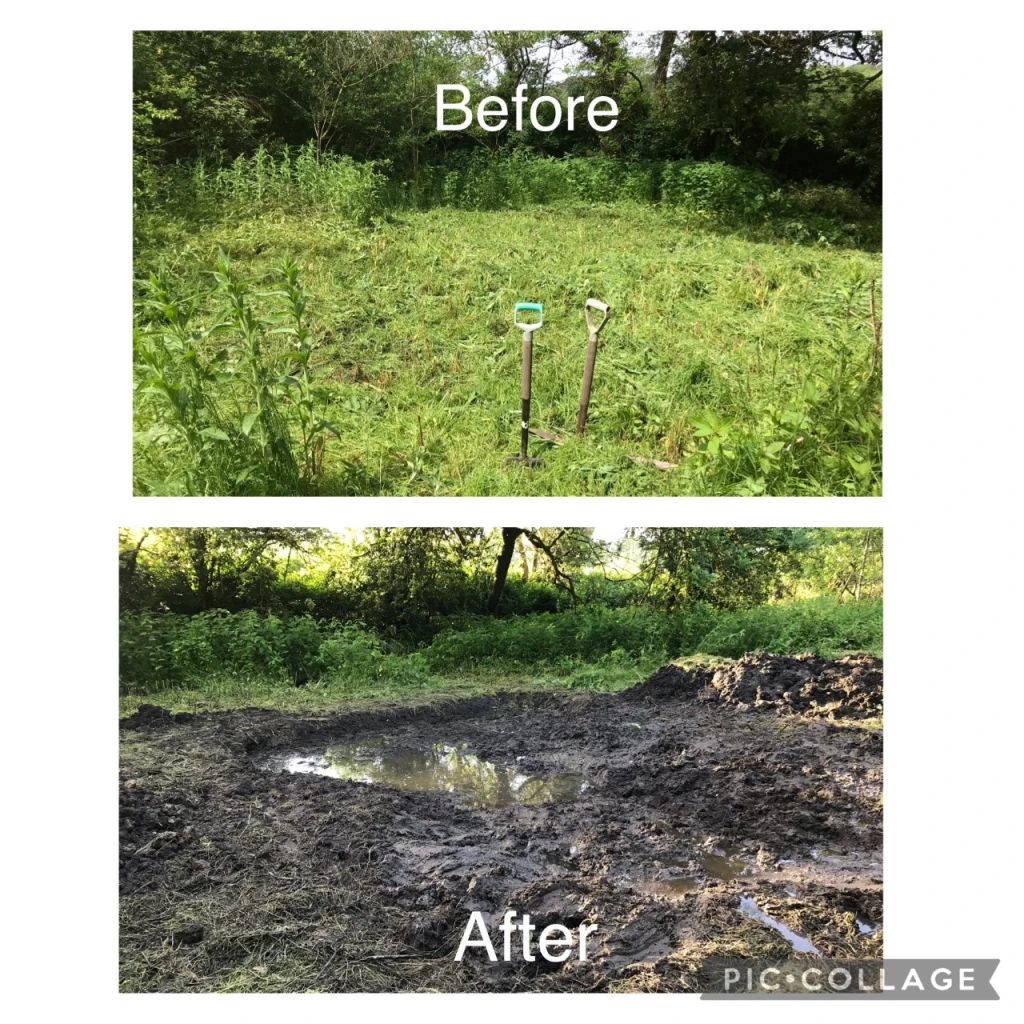
It was a fun day, and very muddy.